

 English
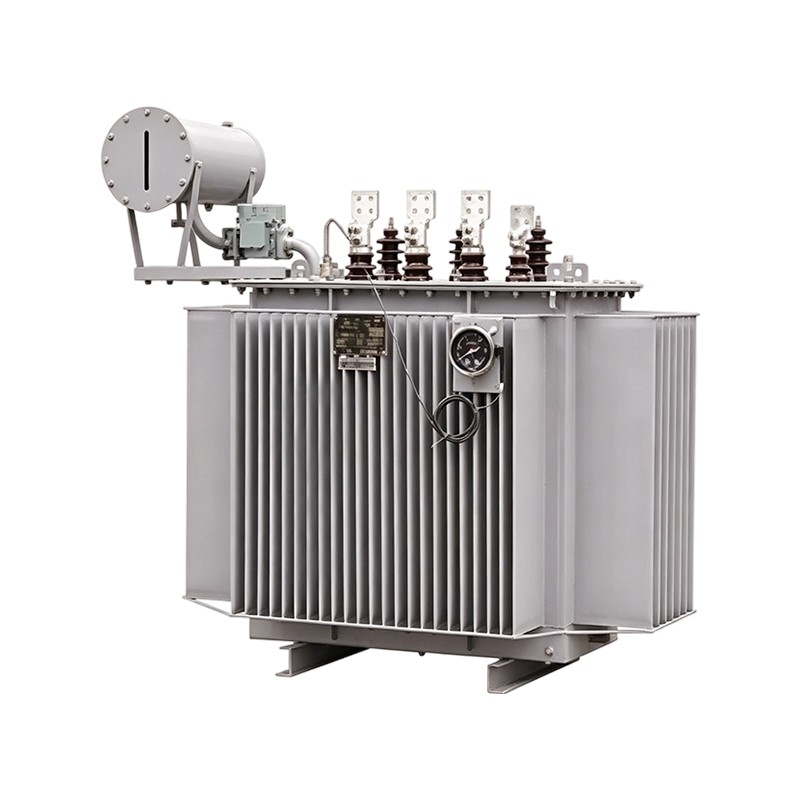
S11/S13/S20/S22 10kV oil-immersed distribution transformers (50-4000kVA) are widely used in 10kV distribution networks for direct power supply to end users. Typical applications include rural township...
View More
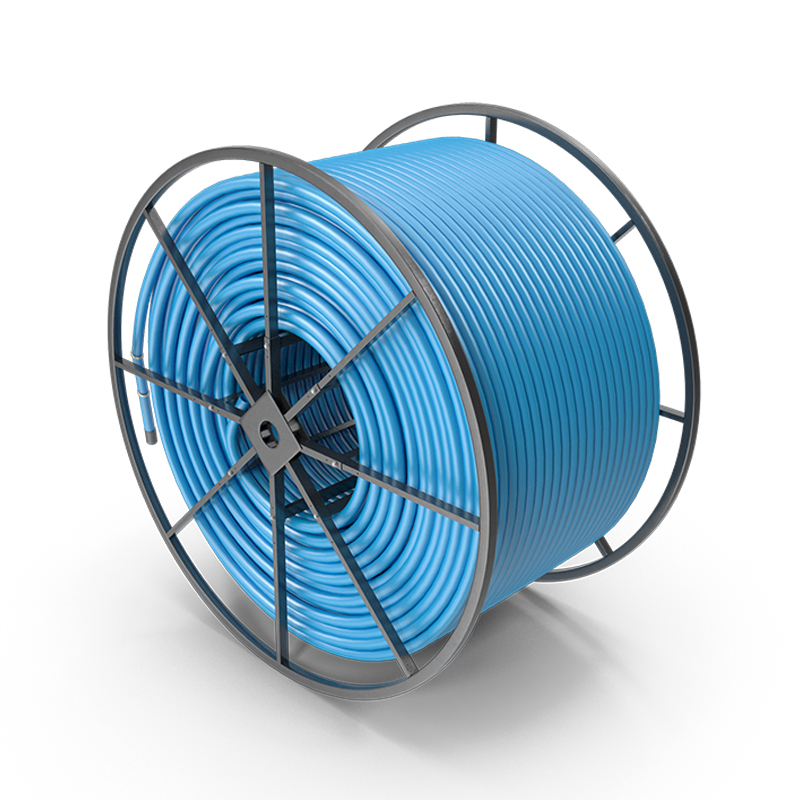
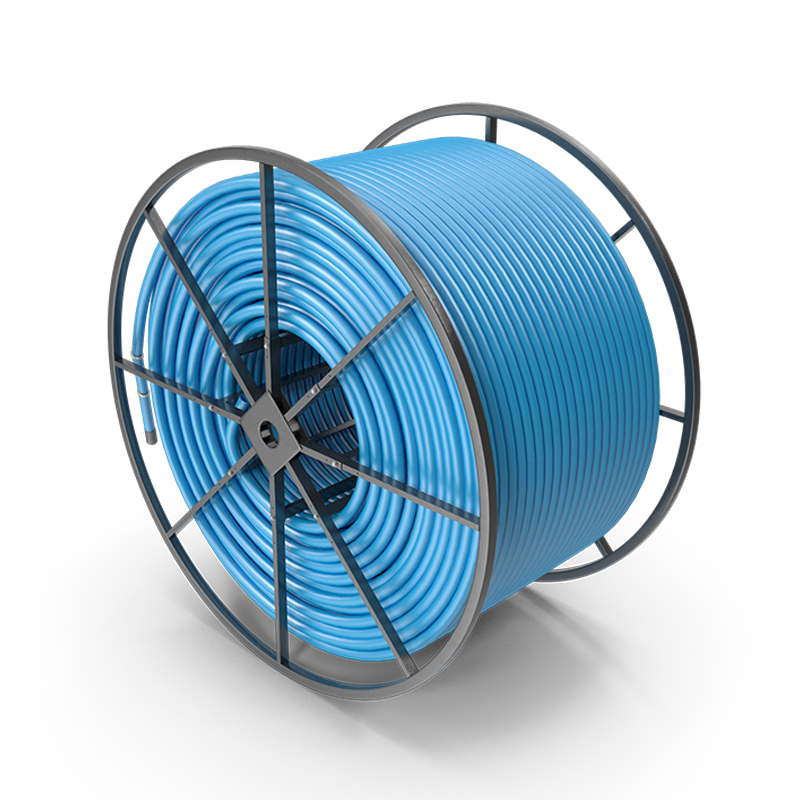
National Standard DC Electric Vehicle Charging Cable (90°C)
Product OverviewThe national standard DC electric vehicle charging cable (90 °C) is a core connection component for the DC fast charging system of new energy vehicles, mainly used to connect the output of DC charging piles to the fast charging inlet of electric vehicles. The product has been specifically optimized for the operating characteristics of high DC current and high voltage, capable of maintaining a rated operating temperature of 90 °C under long-term full-load charging conditions, ensuring efficient and safe power transmission. This cable features very good flexibility, crush resistance, and environmental ageing resistance. It not only integrates the main power transmission lines but also includes auxiliary power supply and high-precision signal control cores, serving as a key infrastructure cable supporting "minute-level" rapid energy replenishment for electric vehicles.
- Product Advantages
- Product Specifications
-
Executive Standards
- GB/T 33594-2017: "Cables for electric vehicle charging" (core national execution standard).Model Code Definitions
- EVDC: Represents the DC electric vehicle charging cable series.
- (R): Conductor adopts flexible construction (stranded fine copper wires).
- S / S90: Insulation and sheath use specific thermoplastic elastomer or synthetic rubber; 90 indicates a rated operating temperature of 90 °C.
- P / P2: Shielding code for signal/control cores (P – copper wire braided shield; P2 – copper tape wrapped shield).Product Specification Range
The cable adopts a composite construction design, covering four major functional modules: power, earthing, auxiliary power supply, and communication:
1. Main power cores: 2 cores × (10 – 95) mm² (responsible for high-power DC transmission).
2. Earth core: PE core.
3. Auxiliary power cores: 2 cores × (4 – 6) mm² (supplying power to the on-board charger or control system).
4. Signal or control cores: (4 – 12) cores × (0.75 – 2.5) mm² (usually with P/P2 shielding, responsible for BMS communication).Core Technical Parameters
1. Rated voltage (U): 1000 V.
2. Rated operating temperature: The maximum continuous permissible conductor operating temperature is 90 °C.
3. Electrical performance: The cable features low DC resistance characteristics, reducing heat loss under high current; the insulation layer possesses high dielectric strength, and the finished product passes a power-frequency voltage withstand test.
4. Physical and weather resistance characteristics:
- Crush resistance: Capable of withstanding accidental vehicle crushing at charging stations without structural damage.
- Oil and chemical resistance: Sound resistance to grease and coolant.
- UV resistance: Passes a 1008-hour xenon lamp ageing test, suitable for long-term outdoor exposure environments.
- Long-life flexing: Supports tens of thousands of frequent flexing cycles, meeting the high-intensity usage requirements of charging connectors.Cable Structural Characteristics
- Composite core construction: A special stranding lay length process is adopted, scientifically combining large cross-section power cores with small control shielded cores to ensure uniform internal stress distribution when the cable is bent, preventing core breakage or twisting deformation.
- High-efficiency communication shielding: The signal cores are configured with a high-coverage metallic shielding layer (P/P2), effectively blocking electromagnetic field interference generated by high DC voltage on CAN communication signals.
- Environmentally friendly protective layer: Both insulation and sheath materials are low-smoke zero-halogen, non-toxic, and environmentally friendly, with a smooth, abrasion-resistant, and slip-resistant feel, and sound self-extinguishing flame retardant properties.Applicable Scenarios
- DC fast charging stations: High-voltage DC charging piles at highway service areas, urban fast charging centers, and large logistics parks.
- Special-purpose vehicle energy replenishment: Fixed or mobile charging equipment for electric buses, electric trucks, and special operation vehicles.
- DC distribution connections: Connection branch circuits from the power distribution cabinet inside the charging station to the charging terminal.Selection and Maintenance Recommendations
1. Power matching: Select the corresponding main core cross-section according to the maximum output current of the charging pile (e.g., 120 A, 250 A, or higher) to ensure the cable temperature rise is controlled.
2. Communication protocol compatibility: Confirm that the number of BMS control cores (4 – 12 cores optional) meets the communication handshake requirements between the vehicle and the charging pile.
3. Installation practices: When routing cables at charging stations, maintain a reasonable bending radius and avoid friction between the cable and sharp metal edges.
4. Regular inspection: DC fast charging involves high power loss. It is recommended to periodically check the cable outer sheath for cracking or severe mechanical damage, and monitor abnormal cable temperature rise during the charging process. -
Model Voltage level Specification (number of cores x cross-sectional area) Execution standard Manufacturing branch EVDC-(R)SS
EVDC-(R)S90S901000V Main core: 10-95 (2-core)
Ground wire core: PE
Auxiliary power cord core: 4-6 (2-core)
Signal or control wire core: 0.75~2.5 (P/P2) (4~12 cores)GB/T 33594-2017 New Energy Plant
ABOUT US
Hixon (Changzhou) Science and Technology Innovation Investment Co., Ltd. is located in Changzhou, Jiangsu, China. It is a comprehensive trading company specializing in the export of industrial products. With years of international trade experience, the company has established strong channel resources and project collaboration experience in the African market.
By integrating high-quality manufacturing resources with a well-established supply chain, we provide reliable product supply and professional trade services to global customers, aiming to become an important bridge connecting Chinese manufacturing to the global market.
-
0Export Experience
-
0+Export Countries
-
0+Partner Factories
-
0+Global Customers
Related products
-
-
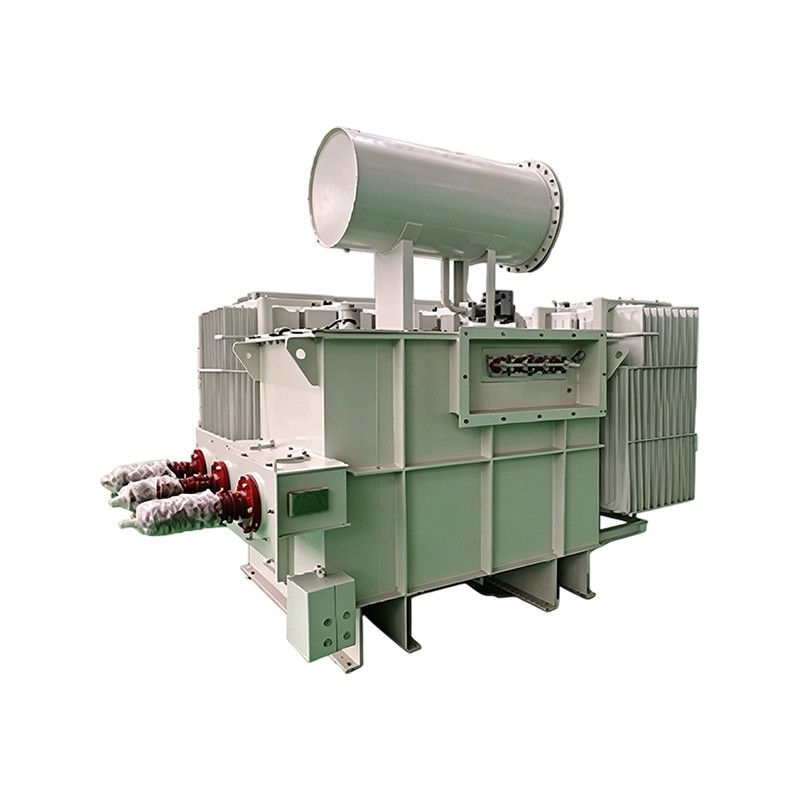
S11/S13/S18/S20/S22 35kV oil-immersed power transformers (50-63,000kVA) are primarily used in national grid infrastructure, renewable energy generation, petrochemical, metallurgical, mining, and trans...
View More -
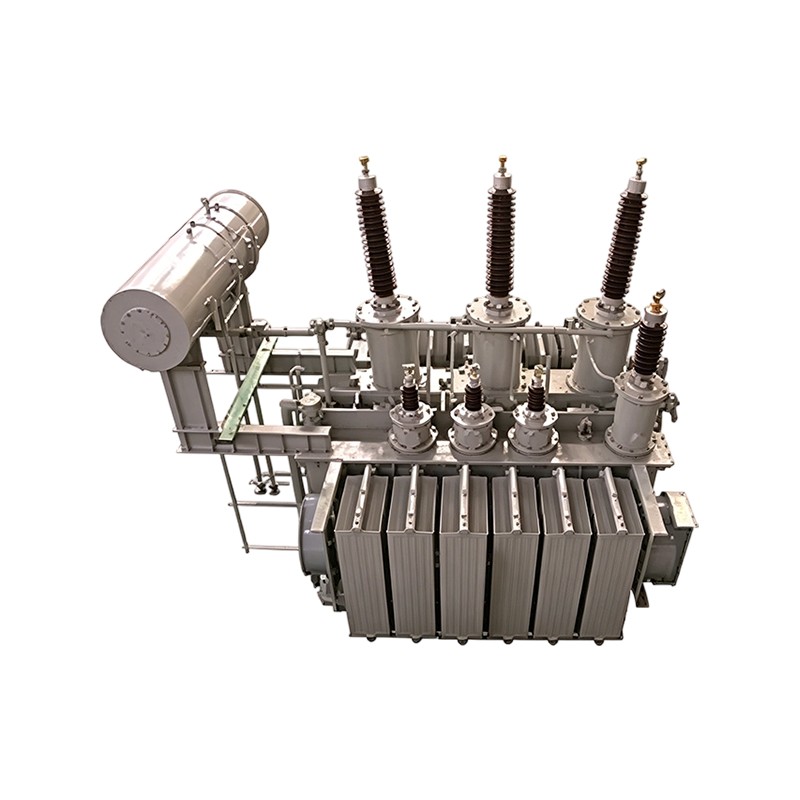
S11/S18/S20 110kV oil-immersed power transformers (6,300-180,000kVA) are core equipment in 110kV transmission and distribution systems, widely deployed in national grid projects, industrial and mining...
View More -
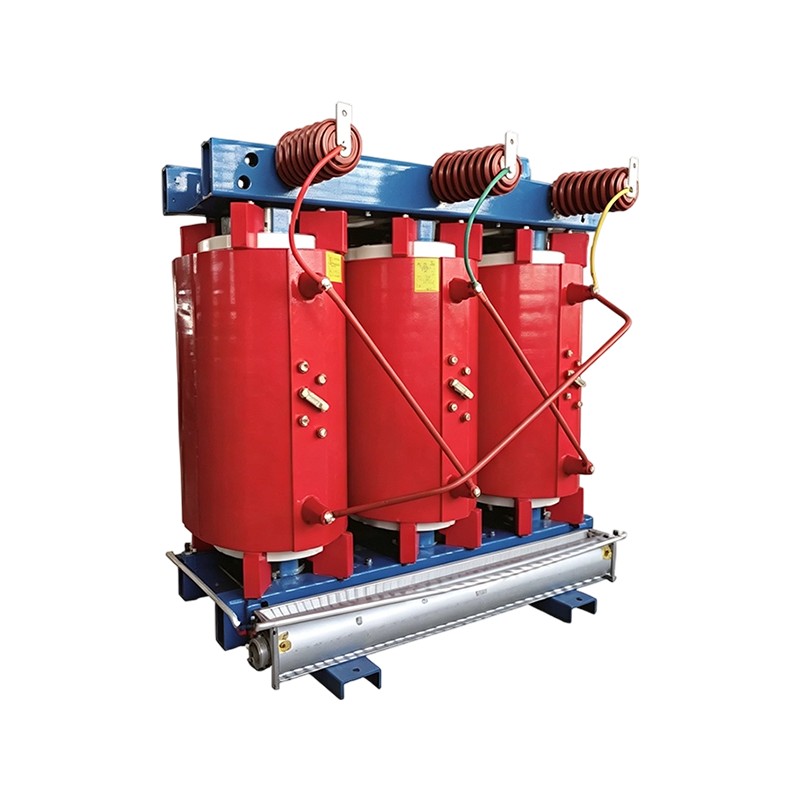
The SCB10/12/14/18 series energy-efficient dry-type cast resin transformer is a new-generation product developed on the basis of the SCB11, designed for reduced energy consumption, material savings, a...
View More -
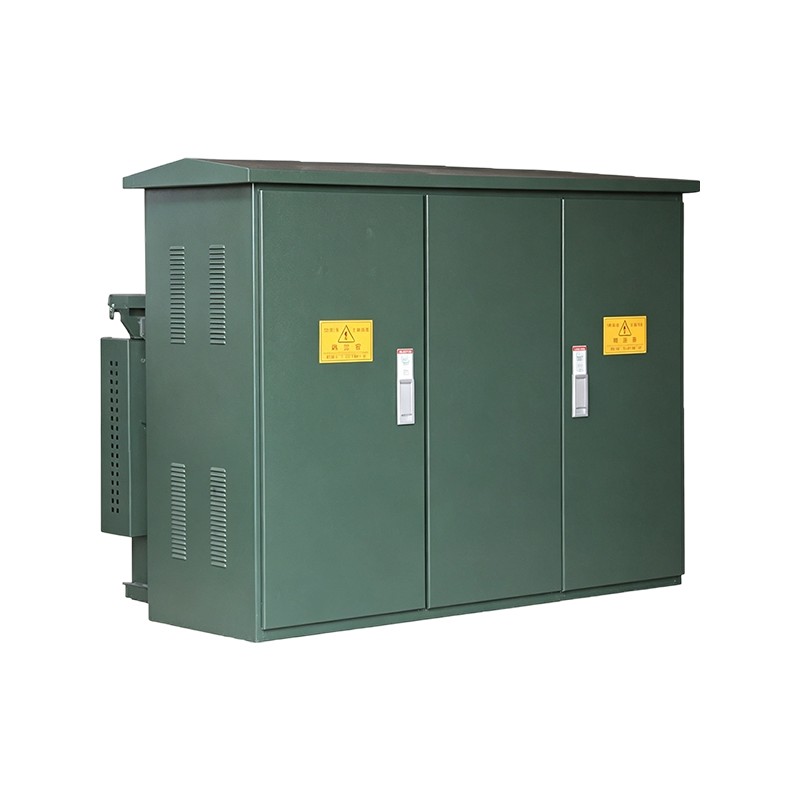
Product Overview:The ZGS series American-style pad-mounted transformer is developed by adapting the American-style combined substation concept to domestic application requirements. It features a compa...
View More -
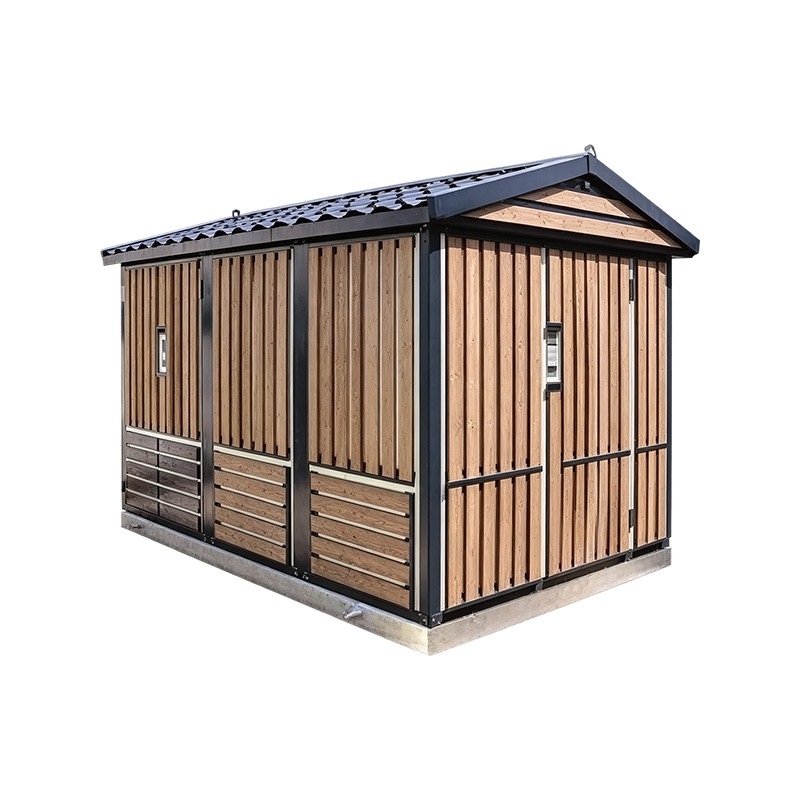
Product Overview:The YBW intelligent European-style prefabricated substation integrates high-voltage switchgear, instrument transformers, the power transformer, low-voltage switchgear, reactive power ...
View More -
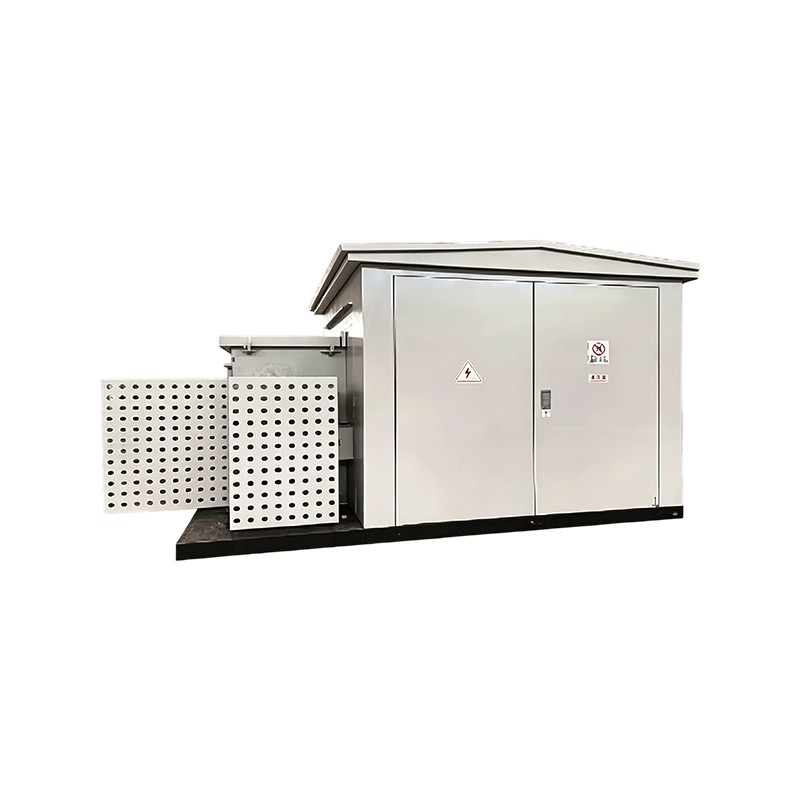
Product Overview:The YB series prefabricated step-up substation is developed to meet the power requirements of wind power generation and photovoltaic power generation, serving primarily as the first-s...
View More -
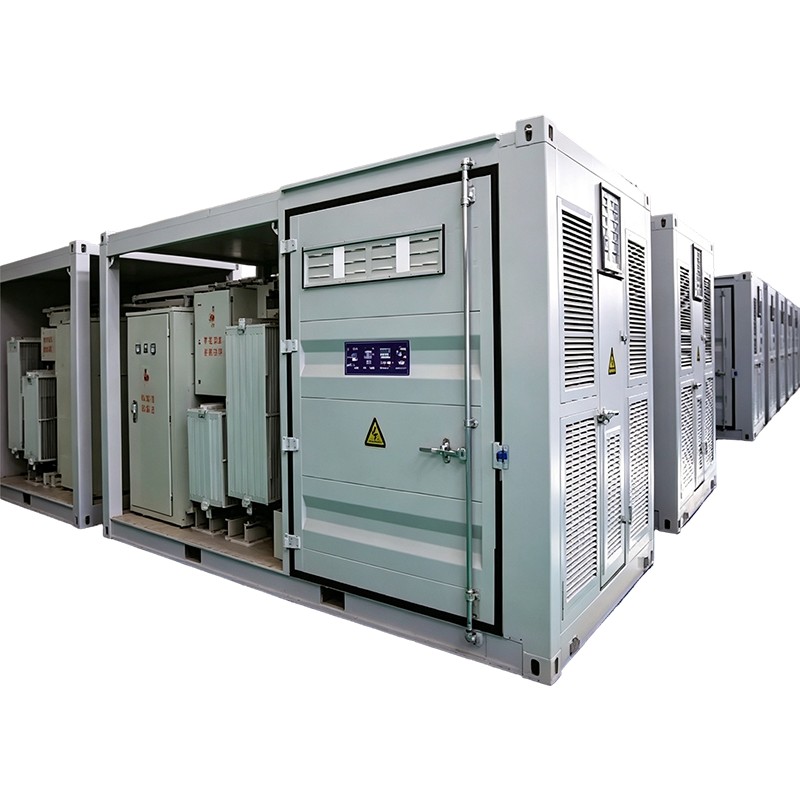
Product Overview:The YBW series prefabricated substation is developed to serve the operational requirements of wind power generation, photovoltaic power generation, shale gas extraction, and energy st...
View More -
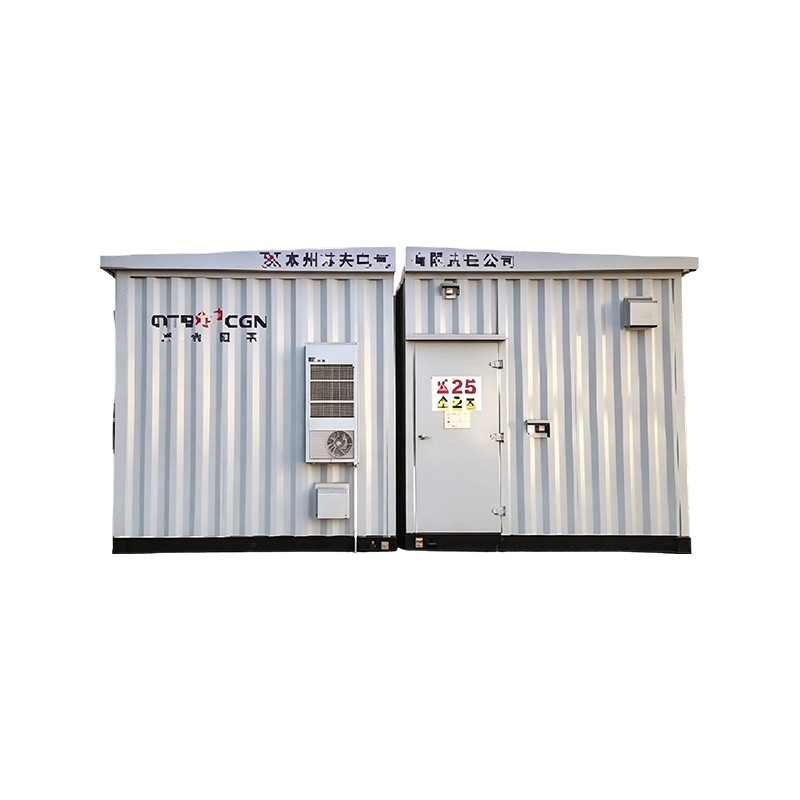
Product Overview:The YBW series centralized prefabricated container substation is developed to serve the operational requirements of wind power generation, photovoltaic power generation, and energy st...
View More -
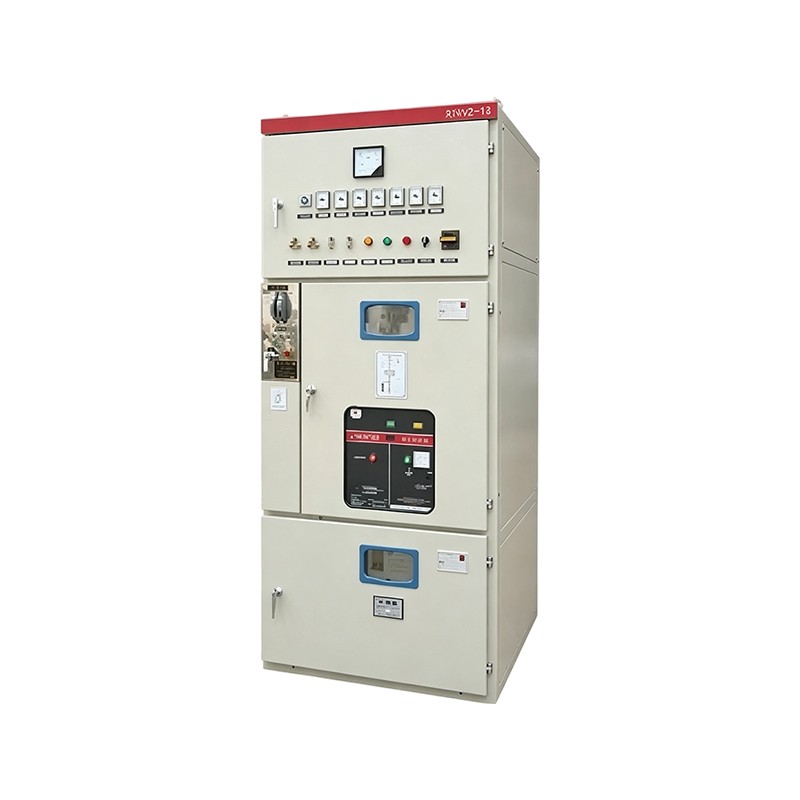
Product Overview:The XGN2-12 box-type fixed metal-enclosed switchgear is used in 3.6-12kV three-phase AC 50Hz indoor systems for power reception and distribution, and is particularly suited to frequen...
View More -
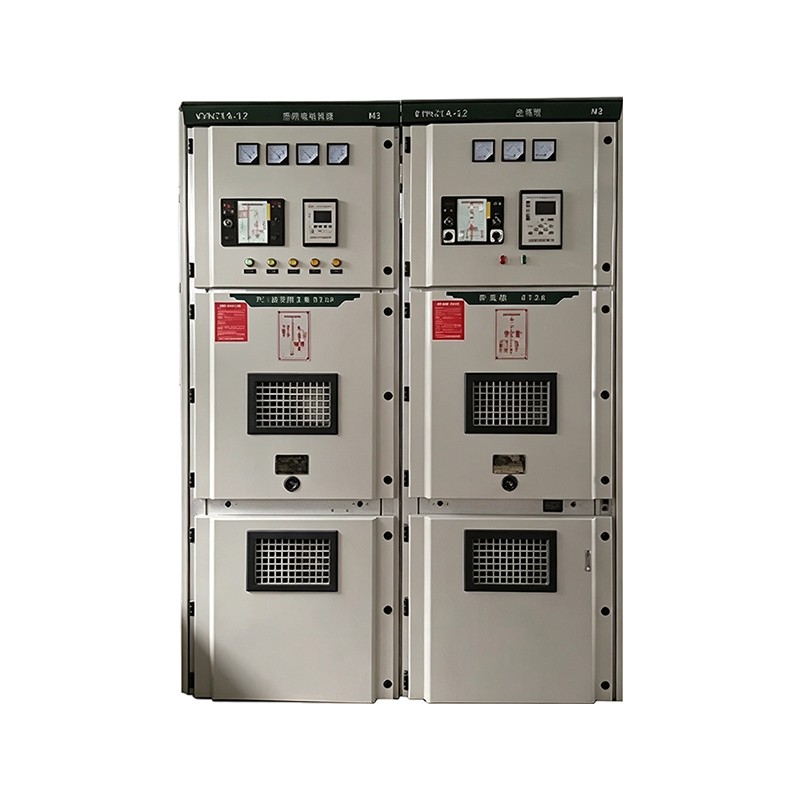
KYN28-12 Product Overview:The KYN28-12 armored withdrawable AC metal-enclosed switchgear is a three-phase AC 50Hz indoor switchgear assembly for receiving and distributing 3.6-12kV network power, with...
View More -
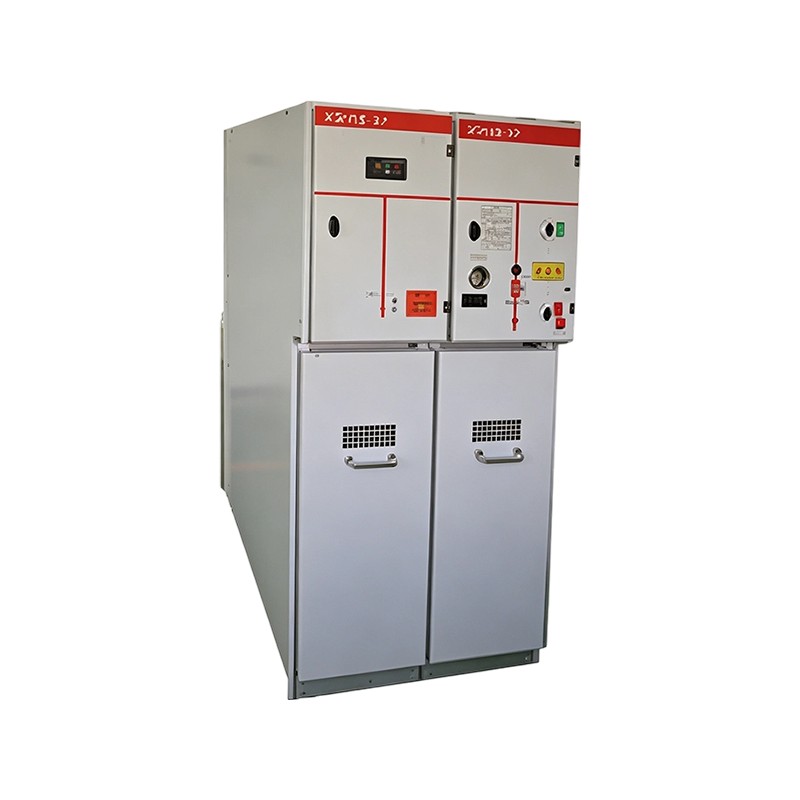
The XGN15-12 high voltage ring main unit (RMU) is a three-phase AC indoor box-type metal-enclosed switchgear with a rated voltage of 10kV and rated frequency of 50Hz. It is suitable for power distribu...
View More
NEWS & MEDIA
View More
-
 2026.05.14
 Company News
-
2026.05.14
Company News
-
2026.05.14
Company News
-
2026.05.14
Company News
-
2026.05.14
Company News

-
No. 108-2, Zhongguancun Avenue, Kunlun Sub-district, Liyang City, Changzhou City, China

-
+86 -13961488818

-
+86-0519-88328818

-
wendy@czhixon.com

jemy@czhixon.com
- About Us
- Company Overview
- Factory
- FAQ
- News
- Quick Links
- Home
- Lube Oil / Tyre
- Cable / Transformer
- About
- Service
- Contact
- QR Code
- Don't hesitate to contact when you need us!
© Copyright
Hixon (Changzhou) Science and Technology Innovation Investment Co., Ltd.
All Rights Reserved.

