

 English
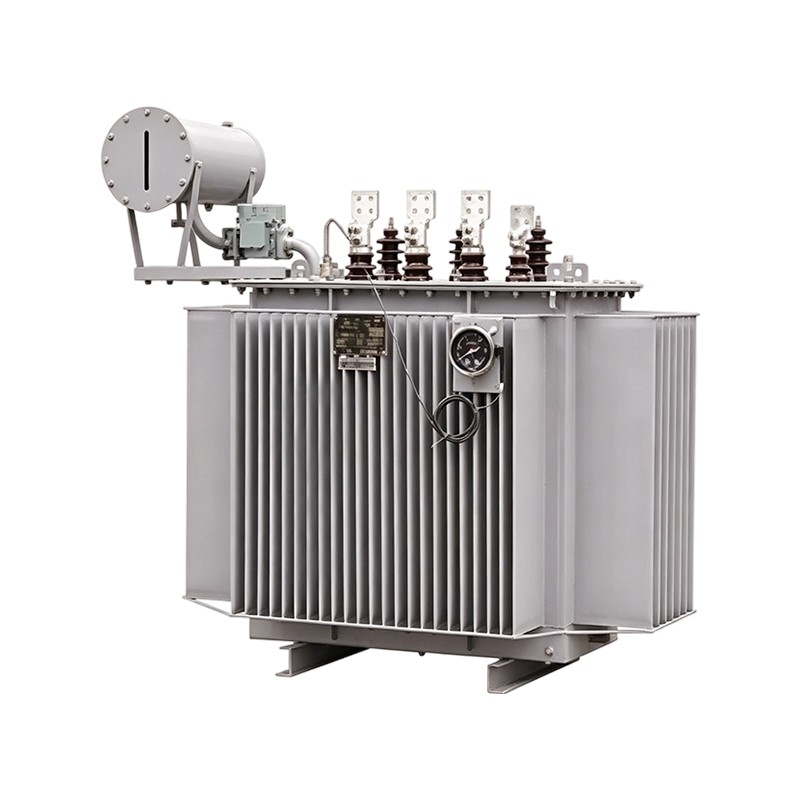
S11/S13/S20/S22 10kV oil-immersed distribution transformers (50-4000kVA) are widely used in 10kV distribution networks for direct power supply to end users. Typical applications include rural township...
View More
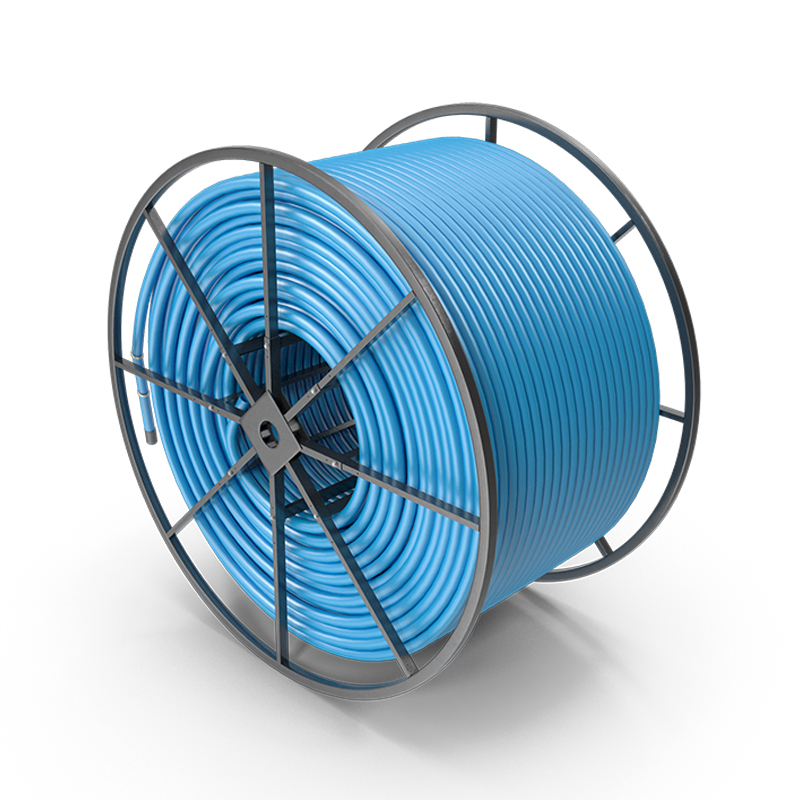
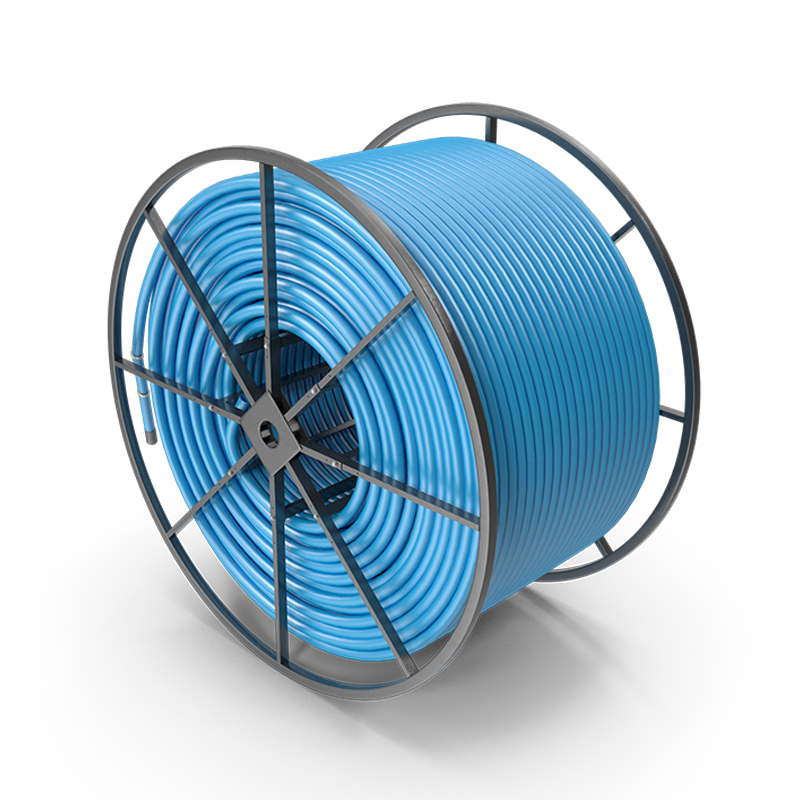
Australian Standard XLPE Insulated Medium Voltage Power Cable
Standards BasisAustralian Standard XLPE insulated medium voltage power cables are primarily based on AS/NZS 1429.1:2006. This standard, jointly developed by Standards Australia and Standards New Zealand, is titled "Cables – Polymeric insulated – Part 1: For working voltages 1.9/3.3 (3.6) kV up to and including 19/33 (36) kV". It specifies the construction, dimensions, electrical performance, and test requirements for cross-linked polyethylene (XLPE) and ethylene propylene rubber (EPR) insulated cables, suitable for fixed installation power supply cables, which may be armoured or unarmoured, including single-core cables and three-core cables with individual phase screening. For higher voltage grades, reference should be made to AS/NZS 1429.2:2009, which applies to single-core XLPE insulated cables for voltages above 19/33 (36) kV up to and including 87/150 (170) kV.
- Product Advantages
- Product Specifications
-
Rated Voltage Grades
AS/NZS 1429.1:2006 covers the following medium voltage rated voltage grades (for use at power frequencies from 49 Hz to 61 Hz):Rated Voltage (U₀/U) – Maximum Operating Voltage (Uₘ)
1.9/3.3 kV – 3.6 kV
3.8/6.6 kV – 7.2 kV
6.35/11 kV – 12 kV
12.7/22 kV – 24 kV
19/33 kV – 36 kVWhere U₀ is the rated voltage to earth (phase voltage) and U is the rated voltage between phases (line voltage).
Product Structure and Materials
The typical construction layers of an Australian Standard medium voltage power cable are described below, taking the commonly used three-core individual phase screening plus steel wire armour (SWA) construction in AS/NZS 1429.1 as an example:Conductor
Material: Can be circular compacted annealed copper conductor or aluminium conductor, complying with AS/NZS 1125:2001 requirements.
Type: Generally circular compacted stranded construction. Copper conductor resistivity must meet the requirements of IEC 60228 and AS/NZS 1125.
Maximum continuous operating temperature: 90 °C.Conductor Screen
An extruded semi-conductive compound layer, bonded to the insulation and applied in the same process.
Ensures a smooth interface between conductor and insulation without air gaps, providing a uniform electric field.Insulation
Main insulation material: Cross-linked polyethylene (XLPE), a thermosetting polymer whose heat resistance, mechanical strength, and electrical properties are improved through a chemical cross-linking process.
Alternative material: Ethylene propylene rubber (EPR) may also be selected for applications requiring higher flexibility.
Insulation characteristics: XLPE insulation possesses good dielectric properties, thermal stability, and resistance to environmental factors, making it particularly suitable for underground installation and overhead distribution systems.Insulation Screen
An extruded semi-conductive compound layer applied over the insulation.Metallic Screen
Material: Annealed copper wire screen.
Specifications: Available in light-duty and heavy-duty options.
Light-duty: 3 kA / 1 second (suitable for conventional power distribution scenarios).
Heavy-duty: 10 kA / 1 second (suitable for high short-circuit current conditions / heavy-duty applications such as mining).
Larger cable sizes can also be supplied with customized screen configurations based on project requirements.Bedding
Material: PVC bedding, providing a smooth bearing surface for the armour layer.Armouring
Material: Galvanised steel wire armour (SWA), providing tensile strength and mechanical protection.
Main function: Suitable for direct burial and installation environments where there is a risk of mechanical damage (such as mines, industrial plants, etc.).Outer Sheath
Standard sheath: Black 5V-90 polyvinyl chloride (PVC) sheath.
Alternative option 1: Orange 5V-90 PVC inner sheath + black high-density polyethylene (HDPE) outer sheath, offering better weather resistance, particularly suitable for Australia's strong ultraviolet radiation environment.
Alternative option 2: Low-smoke zero-halogen (LSOH) sheath, suitable for locations with strict requirements on combustion product toxicity (such as mines, densely populated buildings).Technical Characteristics and Electrical Parameters
Key electrical parameters (typical values, at 20 °C) for various voltage grades and conductor sizes are listed below:3.8/6.6 kV Three-Core (Heavy-Duty) Copper Screen + SWA Armour (Copper Conductor) – Typical Parameters
Conductor cross-section 16 mm²: 20 °C DC resistance 1.15 Ω/km, insulation resistance 14000 MΩ·km, capacitance 0.177 μF/km, dielectric strength 2.77 kV/mm.
Conductor cross-section 25 mm²: 20 °C DC resistance 0.727 Ω/km, insulation resistance 12000 MΩ·km, capacitance 0.198 μF/km, dielectric strength 2.65 kV/mm.
Conductor cross-section 35 mm²: 20 °C DC resistance 0.524 Ω/km, insulation resistance 11000 MΩ·km, capacitance 0.219 μF/km, dielectric strength 2.55 kV/mm.
Conductor cross-section 50 mm²: 20 °C DC resistance 0.387 Ω/km, insulation resistance 10000 MΩ·km, capacitance 0.242 μF/km, dielectric strength 2.46 kV/mm.
Conductor cross-section 70 mm²: 20 °C DC resistance 0.268 Ω/km, insulation resistance 8800 MΩ·km, capacitance 0.275 μF/km, dielectric strength 2.37 kV/mm.3.8/6.6 kV Three-Core (Heavy-Duty) Copper Screen + SWA Armour (Aluminium Conductor) – Typical Parameters
Conductor cross-section 35 mm²: 20 °C DC resistance 0.868 Ω/km, insulation resistance 8700 MΩ·km, capacitance 0.278 μF/km, dielectric strength 1.92 kV/mm.
Conductor cross-section 50 mm²: 20 °C DC resistance 0.641 Ω/km, insulation resistance 7800 MΩ·km, capacitance 0.309 μF/km, dielectric strength 1.87 kV/mm.
Conductor cross-section 70 mm²: 20 °C DC resistance 0.443 Ω/km, insulation resistance 6000 MΩ·km, capacitance and dielectric strength data may be provided on request.12.7/22 kV Three-Core (Copper Screen) PVC/HDPE Composite Sheath – Typical Electrical Parameters
AC voltage test: 42 kV / 5 min.
Partial discharge: ≤ 5 pC at 19 kV.
Insulation resistance (20 °C): ≥ 40,000 GΩ·m.
Copper screen earth fault current: 10 kA / second.
Bending radius (during installation): 25 × cable overall diameter.
Bending radius (after fixing): 15 × cable overall diameter.Insulation and Temperature Rise Characteristics
Maximum continuous operating temperature: 90 °C.
Maximum short-circuit temperature (≤ 5 seconds): 250 °C.
Power frequency rated frequency range: 49 Hz – 61 Hz.Testing and Quality Assurance
Conductor Material Testing
Copper/aluminium conductor resistivity, elongation, and tensile strength are evaluated according to AS/NZS 1125:2001. Annealed copper conductors are required to have a resistance at 20 °C not exceeding the specified limit.XLPE Insulation Material Evaluation
Must pass the hot set test of AS/NZS 1660.2.1 under a load applied at 200 °C for 15 minutes, with a permanent elongation not exceeding 175%.Finished Product Performance Testing
Electrical Performance Tests
Power-frequency voltage withstand test: The specified voltage is applied for 5 minutes without breakdown according to different voltage grades.
Partial discharge measurement: Discharge magnitude ≤ 10 pC at 1.73 U₀ (as specified in AS/NZS 1429.1). The cable must also pass a bending test followed by a partial discharge test, and thermal cycling followed by a partial discharge test.Mechanical Performance Tests
Flexing test: After 20,000 bending cycles according to AS/NZS 3191, the insulation resistance must be ≥ 0.5 MΩ.
Crush resistance test: After applying a 500 N force, the outer diameter deformation rate must be < 25%.Environmental Adaptability Verification
Long-term ageing test: After exposure in an air oven at 135 °C for 7 days, the tensile strength retention rate must be ≥ 80%.
Cold bend test: After bending around a mandrel of 3 times diameter at -15 °C, no cracks shall appear.
UV ageing test (for outdoor applications): 1000 hours of exposure testing according to AS/NZS 1660.5.2.Application Scenarios
Australian Standard XLPE medium voltage power cables are suitable for fixed installation in the following situations:
Power distribution installations: Main lines from substation feeders to the distribution network.
Internal power distribution in power stations: Power transmission within generation plants.
Outdoor installations: Overhead or in ducts.
Underground installations: Suitable for direct burial, underground duct installation, and other locations susceptible to mechanical damage.
Mine power supply: For example, a distribution system project at an open-pit mine in Adelaide, South Australia, uses XLPE insulated medium voltage cables for power transmission between the substation and key mining equipment such as crushers and conveyor systems.Installation Conditions
Can be installed outdoors, in ducts, directly buried, in underground cable trenches, and other locations.
Suitable for commercial, industrial, and urban/residential distribution networks and other scenarios.Market Access and Certification
SAA Certification
Electrical wires and cables sold in Australia must obtain SAA certification and comply with the AS/NZS 5000 series standards to ensure electrical safety, mechanical performance, and long-term reliability. SAA certification is led by Standards Australia and is an important guarantee for the safety of electrical products.RCM Mark
Since 2016, the SAA safety certification and C-Tick EMC certification have been combined into the RCM (Regulatory Compliance Mark), which has become a mandatory electrical product access mark for the Australian market. The safety testing portion continues to follow the SAA standard system requirements. Cable products must meet both safety and EMC requirements before they can be legally sold.Marking Requirements
Certified products must clearly print the following information on the sheath surface:
Certification number (e.g., SAI Global Nxxxxx number).
Standard designation (e.g., AS/NZS 1429.1:2006, AS/NZS 5000.1:2020).
Voltage grade (e.g., 6.35/11 kV, 12.7/22 kV, etc.).
Manufacturer name or trademark.Common Specifications and Ordering Reference
Voltage Grade – Number of Cores – Conductor Material – Armour – Sheath Type – Typical Application
3.8/6.6 (7.2) kV – 3 cores – Cu/Al – SWA (Galvanised Steel Wire) – PVC/HDPE – Industrial power distribution, coal mine surface
6.35/11 (12) kV – 3 cores – Cu/Al – SWA – PVC/HDPE/LSOH – Municipal grid, commercial power distribution
12.7/22 (24) kV – 3 cores – Cu/Al – SWA – PVC/HDPE/LSOH – Main distribution network, urban network upgrading
19/33 (36) kV – 3 cores – Cu/Al – SWA – PVC/HDPE – Regional substation feeder
19/33 (36) kV – Single core – Cu/Al – SWA – PVC/HDPE – Large capacity transmission lines -
Model Voltage level Specification (number of cores x cross-sectional area) Execution standard Manufacturing branch CU(AL)/XLPE/CWS/PVC
CU(AL)/XLPE/CWS/PVC+HDPE
CU(AL)/XLPE/CWS/PVC/AWA/PVC
CU(AL)/XLPE/CWS/PVC/AWA/PVC+HDPE
CU(AL)/XLPE/CWS/PVC/SWA/PVC
CU(AL)/XLPE/CWS/PVC/SWA/PVC+HDPE
CU(AL)/XLPE/CWS/PVC/NY/PVC
CU(AL)/XLPE/CWS/PVC/NY/PVC+HDPE
CU(AL)/XLPE/CWS/AWA/PVC/NY/PVC
CU(AL)/XLPE/CWS/AWA/PVC/NY/PVC+HDPE
CU(AL)/XLPE/CWS/SWA/PVC/NY/PVC
CU(AL)/XLPE/CWS/SWA/PVC/NY/PVC+HDPE
CU(AL)/XLPE/CWS/PVC/DBT/PVC
CU(AL)/XLPE/CWS/PVC/DBT/PVC+HDPE1.9/3.3kV 1×25~1×630
3×25~3×500AS/NZS 1429.1-2006
AS/NZS 1125-2001
AS/NZS 3808-2000South Factory Medium Voltage Branch 3.8/6.6kV 1×25~1×1000
3×25~3×500South Factory Medium Voltage Branch 6.35/11kV 1×25~1×1000
3×25~3×500South Factory Medium Voltage Branch 12.7/22kV 1×35~1×1000
3×35~3×500South Factory Medium Voltage Branch 19/33kV 1×50~1×1000
3×50~3×500South Factory Medium Voltage Branch
ABOUT US
Hixon (Changzhou) Science and Technology Innovation Investment Co., Ltd. is located in Changzhou, Jiangsu, China. It is a comprehensive trading company specializing in the export of industrial products. With years of international trade experience, the company has established strong channel resources and project collaboration experience in the African market.
By integrating high-quality manufacturing resources with a well-established supply chain, we provide reliable product supply and professional trade services to global customers, aiming to become an important bridge connecting Chinese manufacturing to the global market.
-
0Export Experience
-
0+Export Countries
-
0+Partner Factories
-
0+Global Customers
Related products
-
-
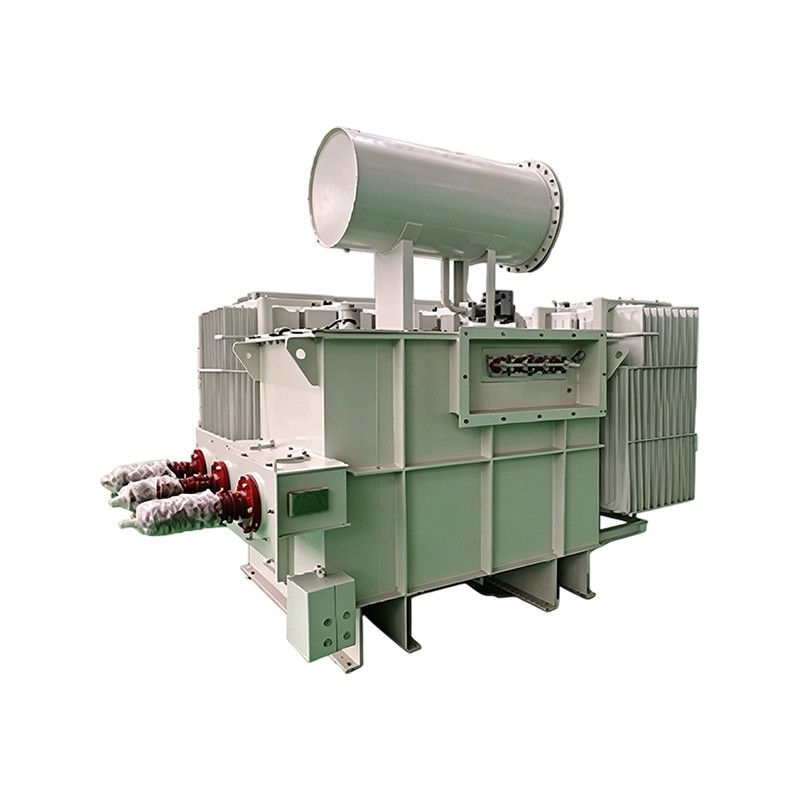
S11/S13/S18/S20/S22 35kV oil-immersed power transformers (50-63,000kVA) are primarily used in national grid infrastructure, renewable energy generation, petrochemical, metallurgical, mining, and trans...
View More -
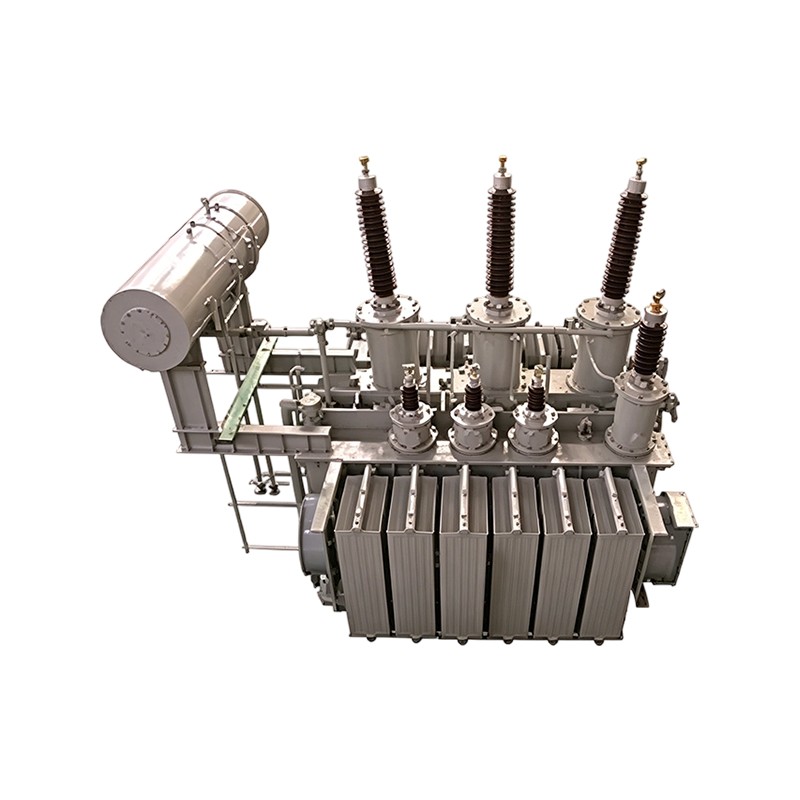
S11/S18/S20 110kV oil-immersed power transformers (6,300-180,000kVA) are core equipment in 110kV transmission and distribution systems, widely deployed in national grid projects, industrial and mining...
View More -
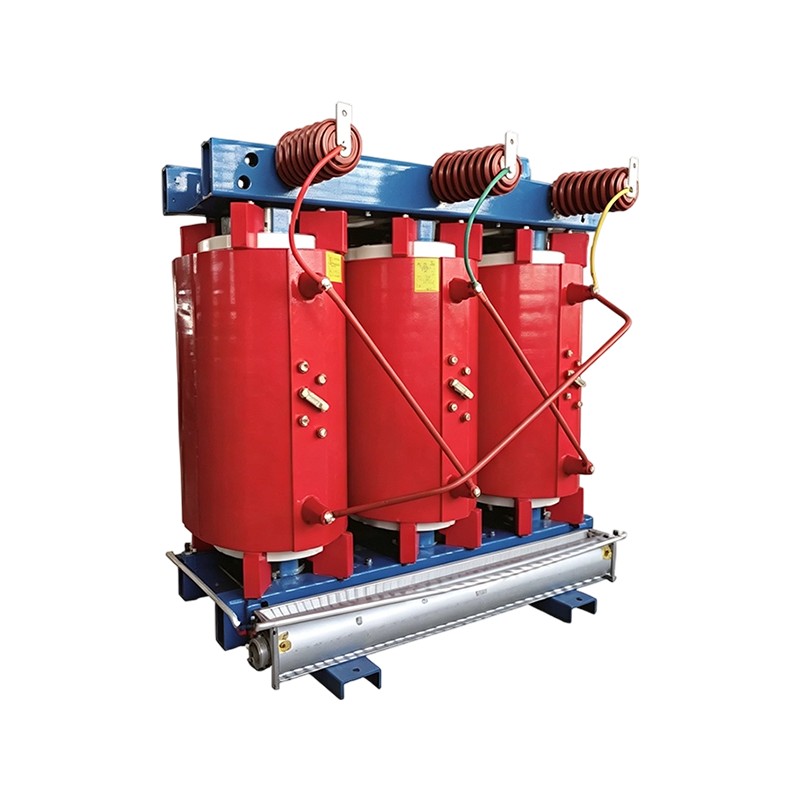
The SCB10/12/14/18 series energy-efficient dry-type cast resin transformer is a new-generation product developed on the basis of the SCB11, designed for reduced energy consumption, material savings, a...
View More -
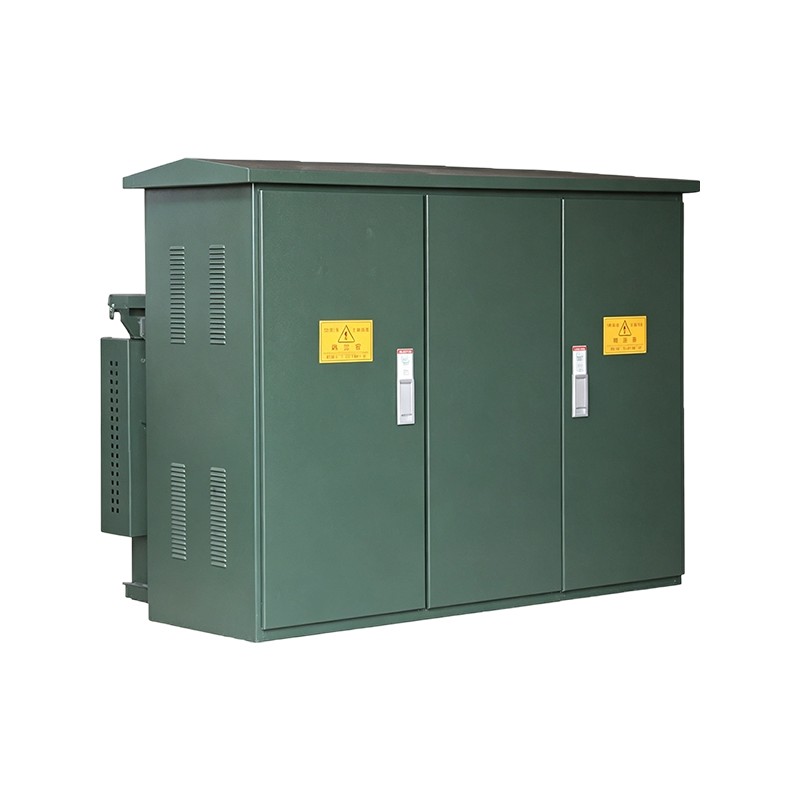
Product Overview:The ZGS series American-style pad-mounted transformer is developed by adapting the American-style combined substation concept to domestic application requirements. It features a compa...
View More -
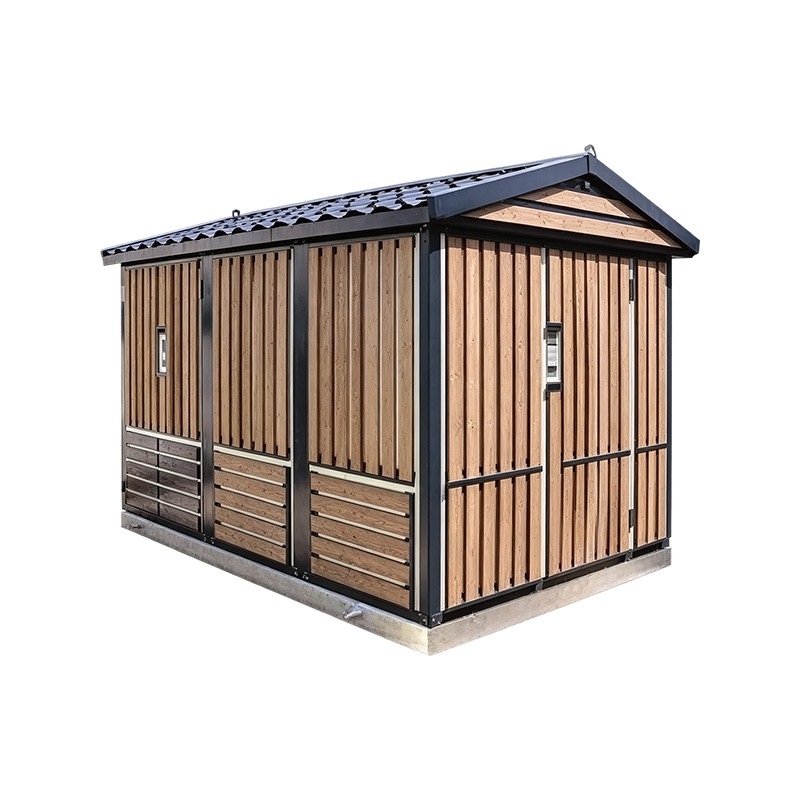
Product Overview:The YBW intelligent European-style prefabricated substation integrates high-voltage switchgear, instrument transformers, the power transformer, low-voltage switchgear, reactive power ...
View More -
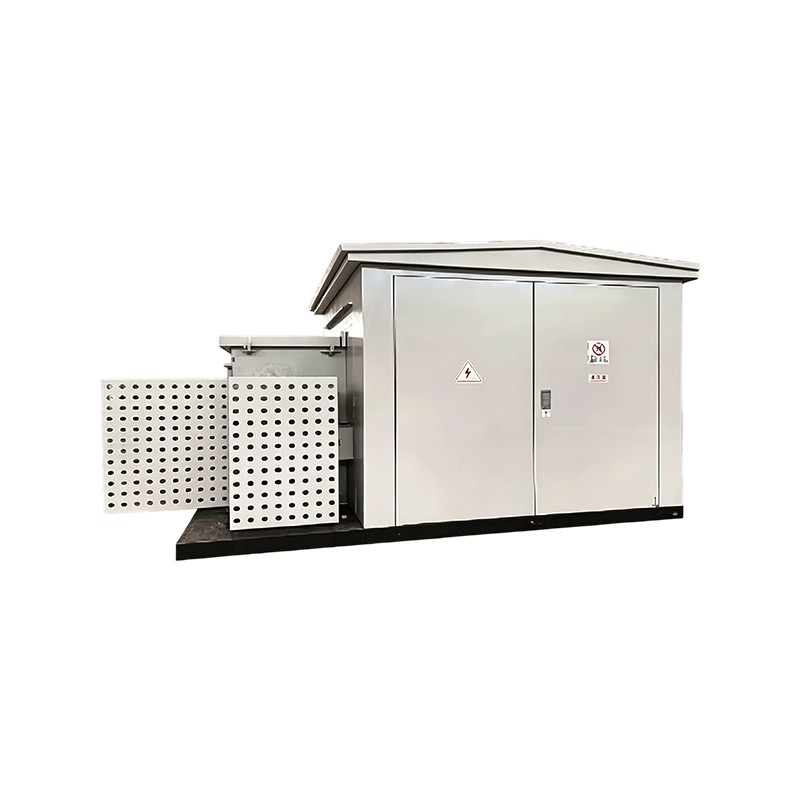
Product Overview:The YB series prefabricated step-up substation is developed to meet the power requirements of wind power generation and photovoltaic power generation, serving primarily as the first-s...
View More -
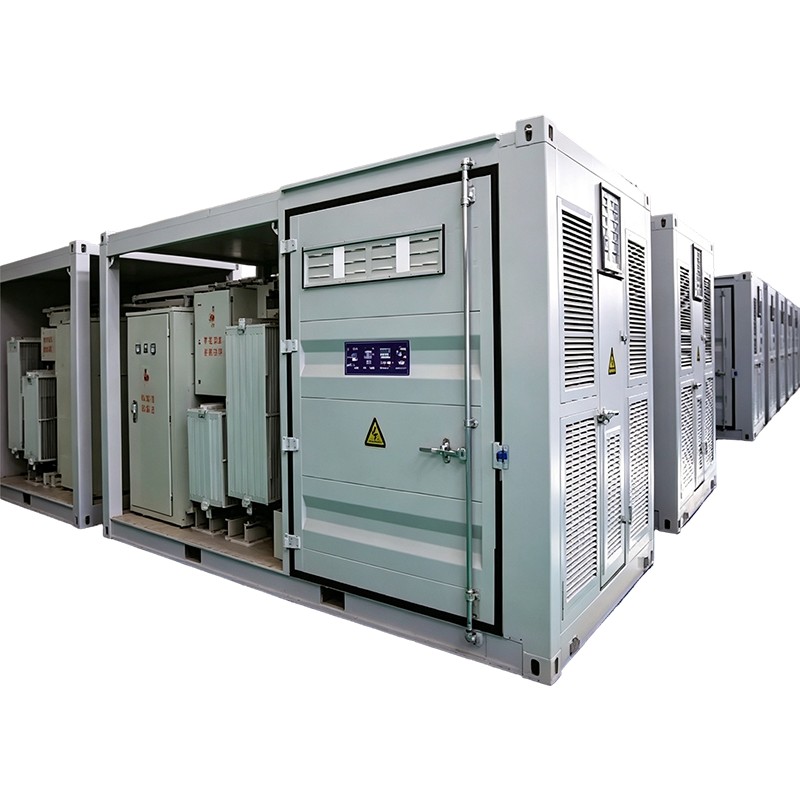
Product Overview:The YBW series prefabricated substation is developed to serve the operational requirements of wind power generation, photovoltaic power generation, shale gas extraction, and energy st...
View More -
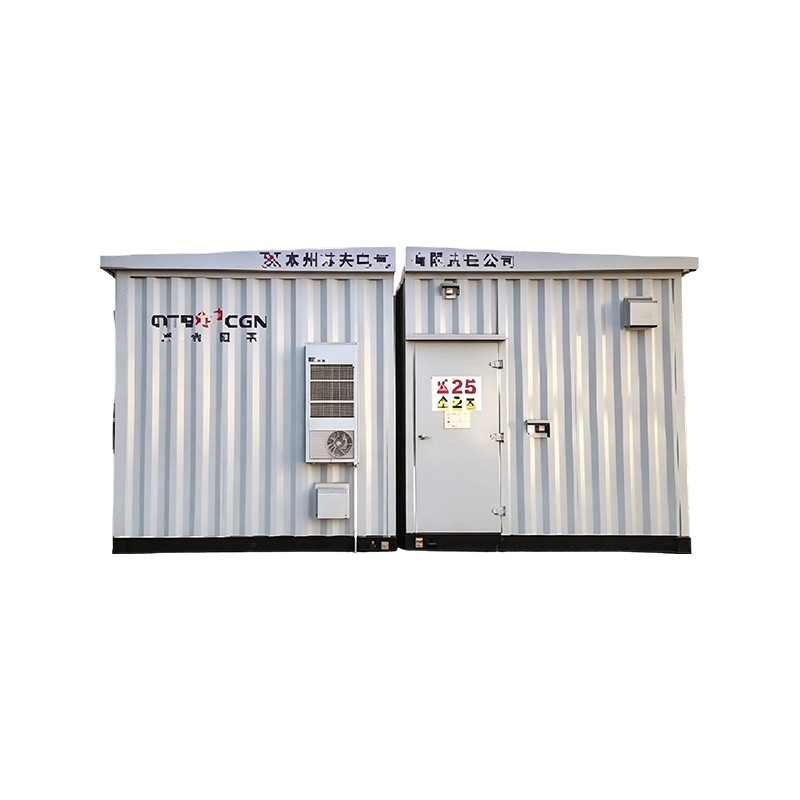
Product Overview:The YBW series centralized prefabricated container substation is developed to serve the operational requirements of wind power generation, photovoltaic power generation, and energy st...
View More -
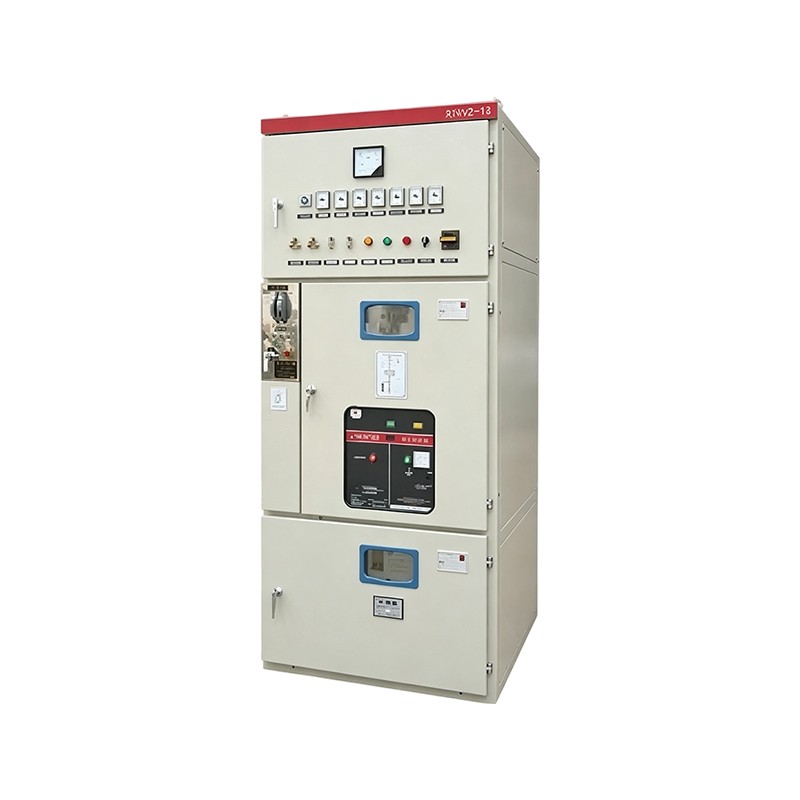
Product Overview:The XGN2-12 box-type fixed metal-enclosed switchgear is used in 3.6-12kV three-phase AC 50Hz indoor systems for power reception and distribution, and is particularly suited to frequen...
View More -
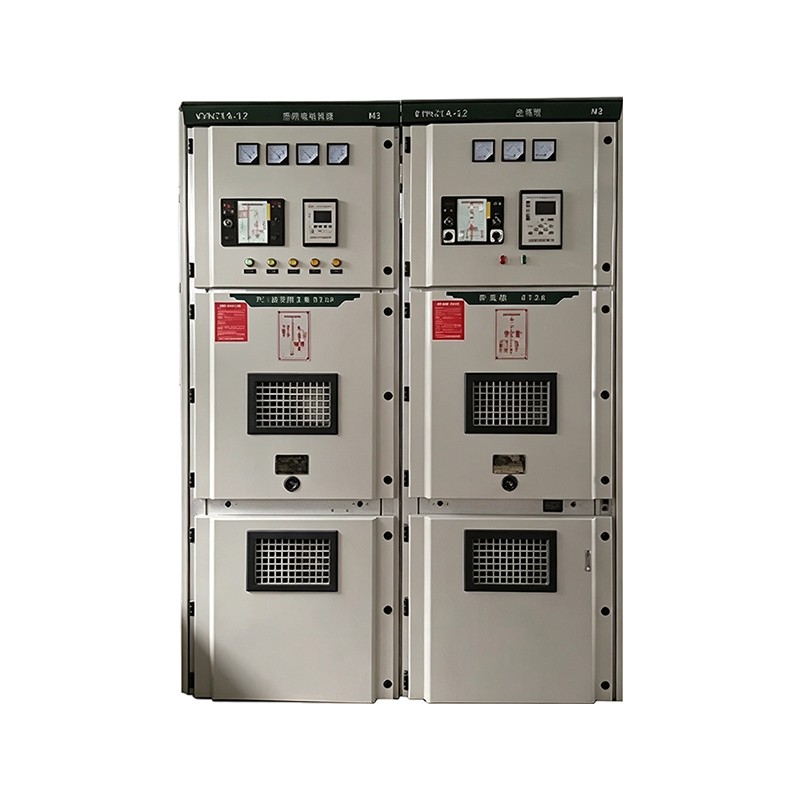
KYN28-12 Product Overview:The KYN28-12 armored withdrawable AC metal-enclosed switchgear is a three-phase AC 50Hz indoor switchgear assembly for receiving and distributing 3.6-12kV network power, with...
View More -
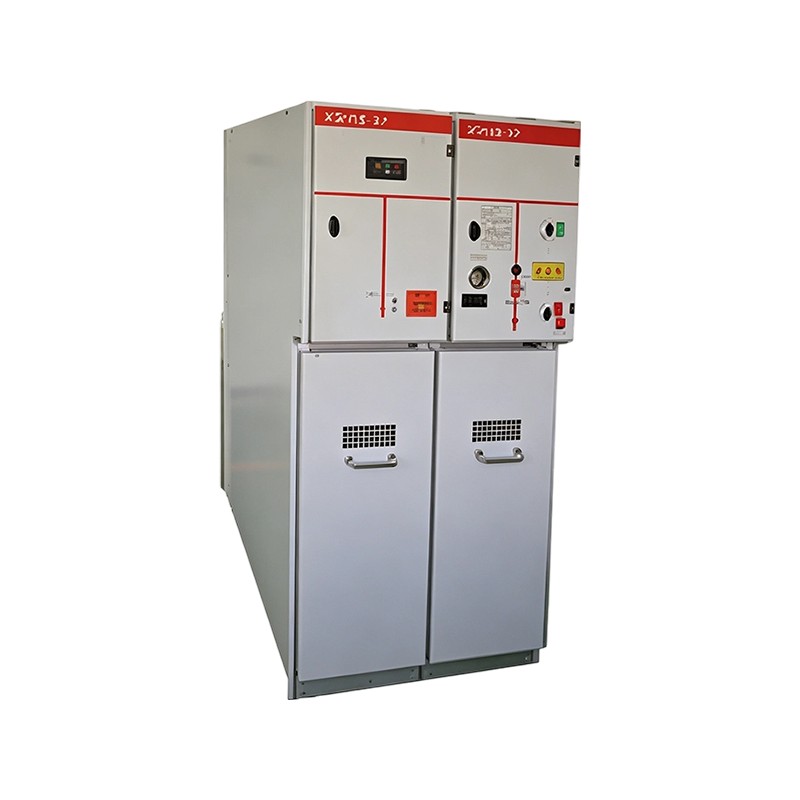
The XGN15-12 high voltage ring main unit (RMU) is a three-phase AC indoor box-type metal-enclosed switchgear with a rated voltage of 10kV and rated frequency of 50Hz. It is suitable for power distribu...
View More
NEWS & MEDIA
View More
-
 2026.05.14
 Company News
-
2026.05.14
Company News
-
2026.05.14
Company News
-
2026.05.14
Company News
-
2026.05.14
Company News

-
No. 108-2, Zhongguancun Avenue, Kunlun Sub-district, Liyang City, Changzhou City, China

-
+86 -13961488818

-
+86-0519-88328818

-
wendy@czhixon.com

jemy@czhixon.com
- About Us
- Company Overview
- Factory
- FAQ
- News
- Quick Links
- Home
- Lube Oil / Tyre
- Cable / Transformer
- About
- Service
- Contact
- QR Code
- Don't hesitate to contact when you need us!
© Copyright
Hixon (Changzhou) Science and Technology Innovation Investment Co., Ltd.
All Rights Reserved.

