

 English
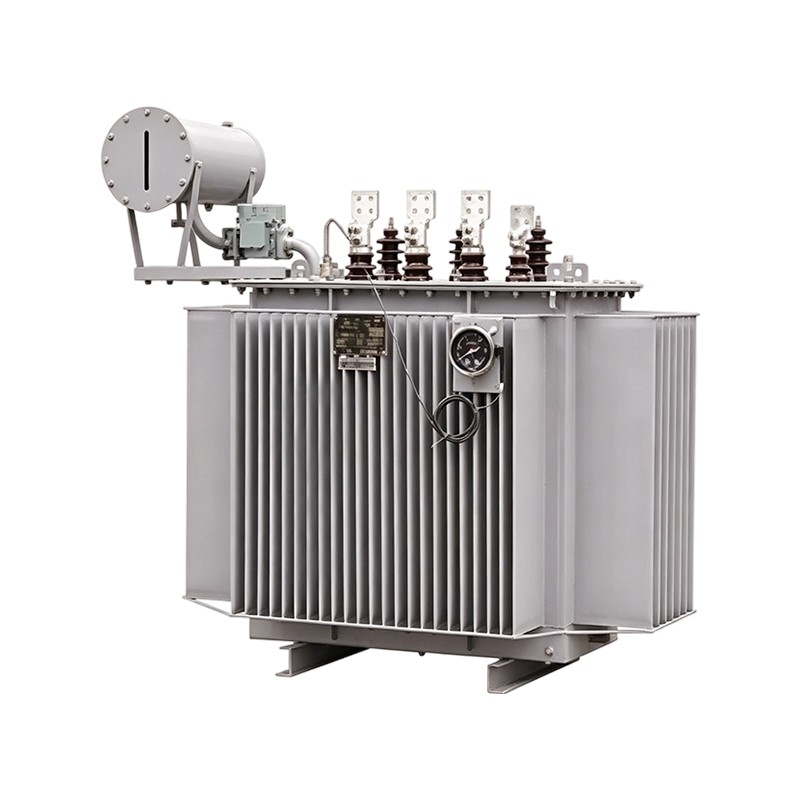
S11/S13/S20/S22 10kV oil-immersed distribution transformers (50-4000kVA) are widely used in 10kV distribution networks for direct power supply to end users. Typical applications include rural township...
View More
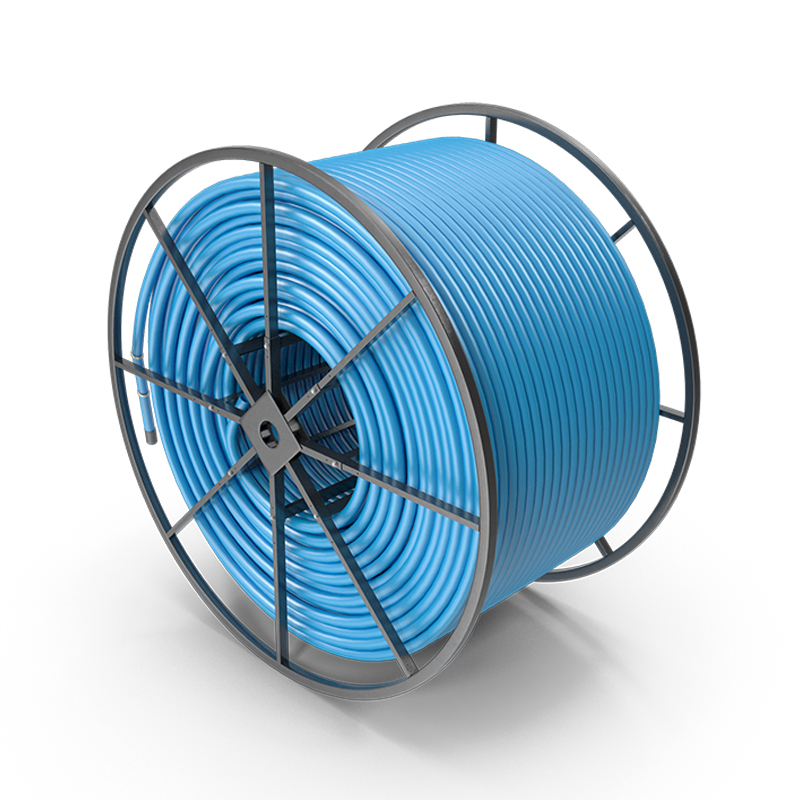
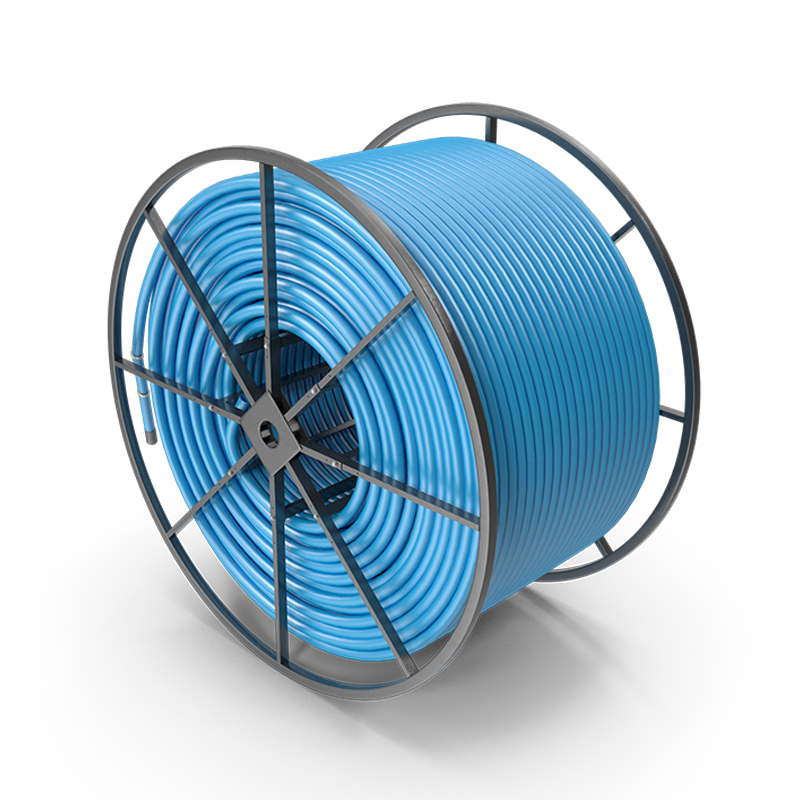
Australian Standard Plastic Insulated (XLPE and PVC Insulated) Low Voltage Power Cable
Standards and SpecificationsThe core standard for Australian Standard low voltage power cables is AS/NZS 5000.1, "Electric cables — Polymeric insulated — Part 1: For working voltages up to and including 0.6/1 (1.2) kV", jointly developed by Australia and New Zealand. It applies to polymeric insulated cables with a rated voltage not exceeding 0.6/1 kThis standard covers areas such as power distribution for main feeders, sub-mains, and branch circuits, and is the mandatory applicable standard for low voltage power cables in the Australian and New Zealand markets.
- Product Advantages
- Product Specifications
-
Associated standards include:
- AS/NZS 1125: Standard for copper conductor materials, specifying conductor resistance requirements.
- AS/NZS 3008: Standard for cable current-carrying capacity and selection.
- AS/NZS 3808: Standard for insulating and sheathing materials, specifying insulation class designations (e.g., V-90, X-90, 5V-90).Products that have obtained SAA certification and carry the RCM mark may be legally sold in the Australian and New Zealand markets.
Product Classification
Australian Standard low voltage power cables are mainly divided into the following categories based on insulation material and construction type.Classification by Insulation Material:
- XLPE (X-90): Maximum operating temperature 90 °C. Features outstanding heat resistance, dielectric strength, and mechanical properties, with higher current-carrying capacity. Mainly used for mains, sub-mains, and applications requiring higher ampacity.
- PVC (V-90): Maximum operating temperature 90 °C (modified types can reach 110 °C). Features lower cost, good processability, and moderate flexibility. Used for building wiring, general industrial sites, and control circuits.Classification by Installation Type:
- Unarmoured cable: Suitable for locations free from mechanical damage; can be installed in ducts, directly buried, or in underground conduits.
- Armoured cable (SWA): Uses galvanised steel wire armour to provide additional mechanical protection. Suitable for locations with mechanical damage risk. The sheath is typically high-visibility orange.Classification by Conductor Material:
- Copper conductor: Annealed copper, offering high conductivity and low resistivity.
- Aluminium conductor: More economical, suitable for large cross-sections and long-distance transmission.Classification by Core Configuration:
- Single core (SDI — Single Double Insulated)
- 2 cores + earth (2+E)
- 3 cores + earth (3+E)
- 4 cores + earth (4+E)
- Multi-core control cables (with or without earth conductor)Cable Construction
XLPE Insulated PVC Sheathed Cable (Unarmoured)
Taking the typical XLPE X-90 / PVC 5V-90 construction as an example:
- Conductor: Annealed copper, circular compacted or stranded, complying with AS/NZS 1125 Class 2.
- Insulation: Cross-linked polyethylene (X-90), maximum operating temperature 90 °C, high dielectric strength.
- Outer sheath: Polyvinyl chloride (5V-90), weather and abrasion resistant, maximum operating temperature 90 °C.Armoured Cable (SWA)
On the basis of the unarmoured construction, the following layers are added:
- Bedding: PVC 5V-90, extruded over the insulated cores to protect the insulation from armour damage.
- Armour: Galvanised steel wires, helically applied round wires providing mechanical protection.
- Outer sheath: PVC 5V-90, orange (high visibility) or black, abrasion and corrosion resistant.PVC Insulated PVC Sheathed Cable
- Conductor: Annealed copper, complying with AS/NZS 1125.
- Insulation: Polyvinyl chloride (V-90) for individual cores, maximum operating temperature 90 °C.
- Outer sheath: Polyvinyl chloride (5V-90), suitable for fixed installations.Technical Parameters
Electrical Characteristics
- Rated voltage (U₀/U): 0.6/1 kV.
- Test voltage: 3 kV (5 minutes).
- Conductor resistance: Complies with values specified in AS/NZS 1125.
- Insulation resistance (at 20 °C): ≥ 180 MΩ·km (copper conductor); ≥ 230 MΩ·km (copper conductor, alternative value), ≥ 210 MΩ·km (aluminium conductor).
- Maximum operating temperature: 90 °C (XLPE X-90 / PVC V-90).
- Maximum short-circuit temperature: 250 °C (XLPE), 160 °C (PVC).
- Flame retardant class: Complies with IEC 60332-1-2.Mechanical Characteristics
- Unarmoured cable:
· Minimum bending radius (during installation): approx. 7.5–8 × overall diameter.
· Minimum bending radius (after installation): approx. 5–7.5 × overall diameter.
· Pulling tension: depends on conductor cross-section (typical: 4.4–25 kN).
- Armoured cable (SWA):
· Minimum bending radius (during installation): approx. 12–15 × overall diameter.
· Minimum bending radius (after installation): approx. 8 × overall diameter.
· Pulling tension: depends on armour and conductor (typical: 3.1–6.9 kN).Current-Carrying Capacity Reference (XLPE X-90 Copper Conductor, 0.6/1 kV)
The following are typical reference values. Actual selection should be based on AS/NZS 3008 and installation conditions for conversion and correction.
- 10 mm²: In free air 68 A, Direct buried 91 A, Buried in duct 68 A.
- 16 mm²: In free air 91 A, Direct buried 118 A, Buried in duct 89 A.
- 25 mm²: In free air 121 A, Direct buried 155 A, Buried in duct 118 A.
- 35 mm²: In free air 160 A, Direct buried and buried in duct data to be verified per AS/NZS 3008.
- 50 mm²: In free air 195 A.
- 70 mm²: In free air 250 A.
- 95 mm²: In free air 310 A.
- 120 mm²: In free air 360 A.
Note: Data for direct buried and buried in duct for larger sizes should be determined following AS/NZS 3008.Installation and Laying
Scope of Application
- Fixed installation in commercial, industrial, mining, and power systems, including building power distribution, industrial and mining power distribution, switchboard and control panel wiring.
- Installation methods: in conduits, direct burial, underground duct installation, on cable trays.Environmental Conditions
- Fixed installation: -40 °C to +90 °C, suitable for dry, damp, and wet indoor and outdoor environments.
- Mobile/temporary installation: -5 °C to +90 °C, suitable for temporary wiring without tensile stress.Armour Selection Recommendations
- Unarmoured: Recommended for fixed installation in conduits, cable ducts, or direct burial where there is no risk of mechanical tension or crushing.
- Armoured (SWA): Recommended for environments with mechanical damage risk, such as industrial plants, mines, and outdoor direct burial.Industry Certifications
1. SAA Certification: Cable safety certification by Standards Australia, a mandatory requirement for products entering the Australian and New Zealand markets.
2. RCM Mark: The regulatory compliance mark for electrical products in Australia and New Zealand, applicable to cables and other low voltage electrical equipment.
3. Flame Retardant Certification: Complies with IEC 60332-1-2, exhibiting good flame retardant self-extinguishing properties.
4. RoHS Compliance: Complies with the European Union Restriction of Hazardous Substances Directive, environmentally friendly and pollution-free.Selection Guide
1. Determine by voltage: For 0.6/1 kV AC 50 Hz systems, select cables complying with AS/NZS 5000.1.
2. Select cross-section based on current-carrying capacity: Conduct current-carrying capacity calculation and correction in accordance with AS/NZS 3008, considering operating temperature, installation method, and ambient temperature.
3. Select construction based on installation environment:
- With mechanical damage risk: choose SWA armoured cable (orange sheath).
- Without mechanical damage risk: choose unarmoured cable.
4. Select cost-effectiveness based on conductor material:
- Copper conductor: Superior conductivity, suitable for small cross-sections and applications with strict voltage drop requirements.
- Aluminium conductor: More economical, suitable for large cross-sections and long-distance transmission.Summary
AS/NZS 5000.1 is the core standard for low voltage power cables in Australia and New Zealand, covering both XLPE insulated and PVC insulated types. Among them, XLPE insulated (X-90) cables, with their outstanding thermal stability and electrical properties, are suitable for main feeder distribution requiring higher ampacity and heat resistance; PVC insulated (V-90) cables, with good processability and cost-effectiveness, are suitable for general building wiring and control cables. Armoured and unarmoured forms accommodate different mechanical protection needs, while the choice between copper and aluminium conductors provides a balance of economy and performance. All compliant products are SAA/RCM certified and can be safely used in the Australian and New Zealand markets. The actual current-carrying capacity and selection of cables should strictly follow AS/NZS 3008 to ensure the safety and reliability of the electrical system. -
Model Voltage level Specification (number of cores x cross-sectional area) Execution standard Manufacturing branch CU(AL)/XLPE/PVC/NY/PVC
CU(AL)/XLPE/PVC
CU(AL)/XLPE/PVC/DBT/PVC
CU(AL)/PVC/PVC/NY/PVC
CU(AL)/PVC/PVC
CU(AL)/PVC/PVC/DBT/PVC0.6/1kV 1×1.5~1×1000 AS/NZS 5000.1-2005
AS/NZS 1125-2001
AS/NZS 3808-200050mm² and below control cable factory
(Polyvinyl chloride insulation)
50mm² and below special cable factory
(Cross-linked polyethylene insulation)
Low voltage cable factory with an area of over 50mm²2×1.5+1×1.5~2×300+1×120
3×1.5+1×1.5~3×300+1×120
4×1.5+1×1.5~4×300+1×1206mm² and below control cable factory
(Polyvinyl chloride insulation)
6mm² and below special cable factory
(Cross-linked polyethylene insulation)
Low voltage cable factory with an area of over 6mm²CU(AL)/XLPE/PVC/AWA/PVC
CU(AL)/PVC/PVC/AWA/PVC1×50~1×1000 50mm² and below control cable factory
(Polyvinyl chloride insulation)
50mm² and below special cable factory
(Cross-linked polyethylene insulation)
Low-voltage cable factory with an area of over 50mm²CU(AL)/XLPE/PVC/SWA/PVC
CU(AL)/PVC/PVC/SWA/PVC0.6/1kV 2×1.5+1×1.5~2×300+1×120
3×1.5+1×1.5~3×300+1×120
4×1.5+1×1.5~4×300+1×120AS/NZS 5000.1-2005
AS/NZS 1125-2001
AS/NZS 3808-20006mm² and below control cable factory
(Polyvinyl chloride insulation)
6mm² and below special cable factory
(Cross-linked polyethylene insulation)
Low voltage cable factory with an area of over 6mm²CU(AL)/XLPE/PVC/AWA/PVC/NY/PVC
CU(AL)/PVC/PVC/AWA/PVC/NY/PVC1×50~1×1000 50mm² and below control cable factory
(Polyvinyl chloride insulation)
50mm² and below special cable factory
(Cross-linked polyethylene insulation)
Low voltage cable factory with an area of over 50mm²CU(AL)/XLPE/PVC/SWA/PVC/NY/PVC
CU(AL)/PVC/PVC/SWA/PVC/NY/PVC0.6/1kV 2×1.5+1×1.5~2×300+1×120
3×1.5+1×1.5~3×300+1×120
4×1.5+1×1.5~4×300+1×120AS/NZS 5000.1-2005
AS/NZS 1125-2001
AS/NZS 3808-20006mm² and below control cable factory
(Polyvinyl chloride insulation)
6mm² and below special cable factory
(Cross-linked polyethylene insulation)
Low voltage cable factory with an area of over 6mm²CU(AL)/XLPE/PVC/AWA/PVC/DBT/PVC
CU(AL)/PVC/PVC/AWA/PVC/DBT/PVC1×50~1×1000 50mm² and below control cable factory
(Polyvinyl chloride insulation)
50mm² and below special cable factory
(Cross-linked polyethylene insulation)
Low voltage cable factory with an area of over 50mm²CU(AL)/XLPE/PVC/SWA/PVC/DBT/PVC
CU(AL)/PVC/PVC/SWA/PVC/DBT//PVC2×1.5+1×1.5~2×300+1×120
3×1.5+1×1.5~3×300+1×120
4×1.5+1×1.5~4×300+1×1206mm² and below control cable factory
(Polyvinyl chloride insulation)
6mm² and below special cable factory
(Cross-linked polyethylene insulation)
Low voltage cable factory with an area of over 6mm²
ABOUT US
Hixon (Changzhou) Science and Technology Innovation Investment Co., Ltd. is located in Changzhou, Jiangsu, China. It is a comprehensive trading company specializing in the export of industrial products. With years of international trade experience, the company has established strong channel resources and project collaboration experience in the African market.
By integrating high-quality manufacturing resources with a well-established supply chain, we provide reliable product supply and professional trade services to global customers, aiming to become an important bridge connecting Chinese manufacturing to the global market.
-
0Export Experience
-
0+Export Countries
-
0+Partner Factories
-
0+Global Customers
Related products
-
-
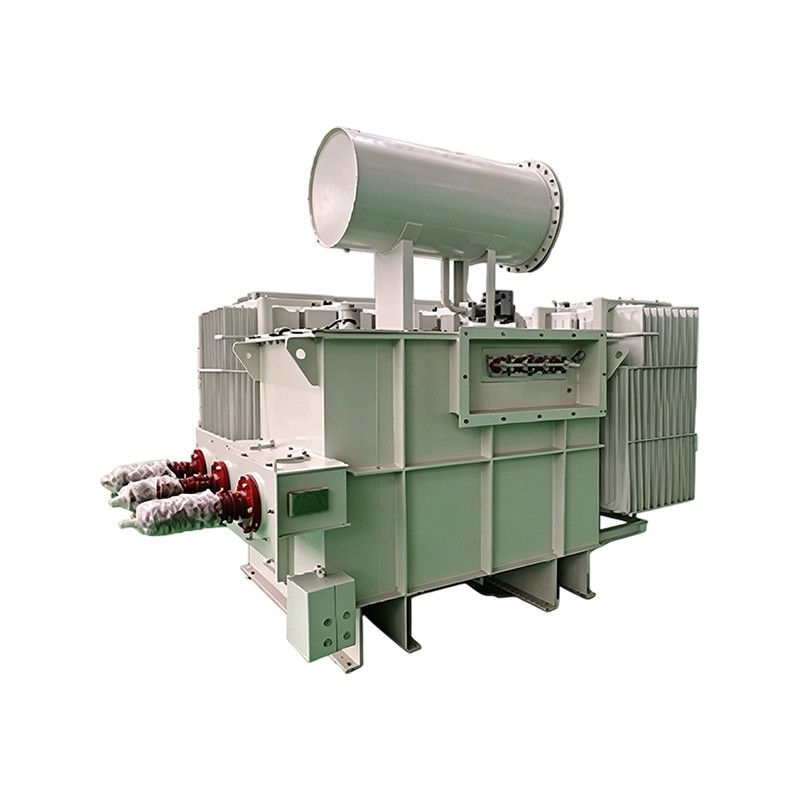
S11/S13/S18/S20/S22 35kV oil-immersed power transformers (50-63,000kVA) are primarily used in national grid infrastructure, renewable energy generation, petrochemical, metallurgical, mining, and trans...
View More -
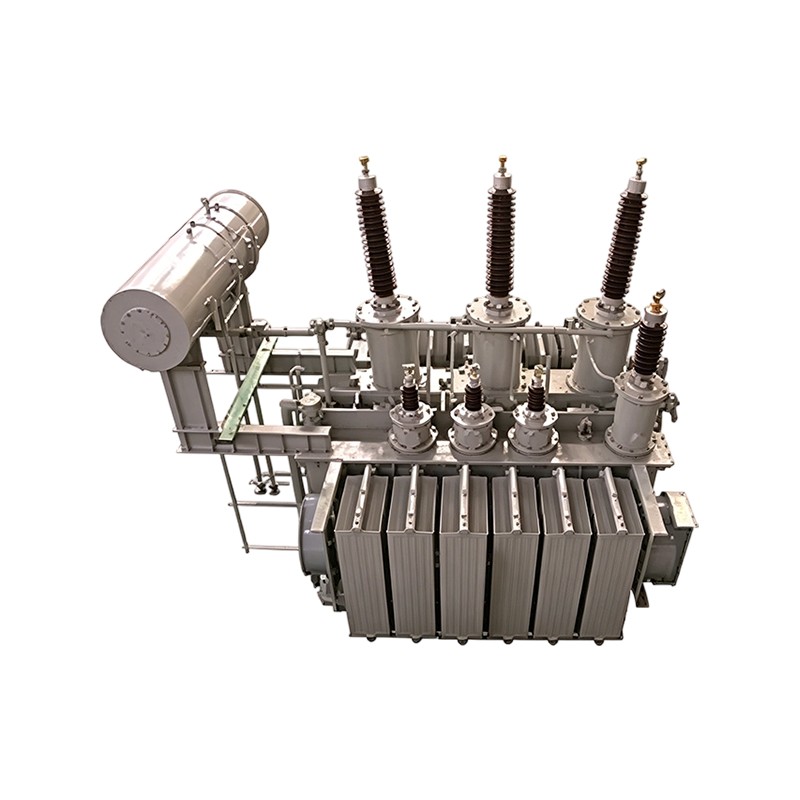
S11/S18/S20 110kV oil-immersed power transformers (6,300-180,000kVA) are core equipment in 110kV transmission and distribution systems, widely deployed in national grid projects, industrial and mining...
View More -
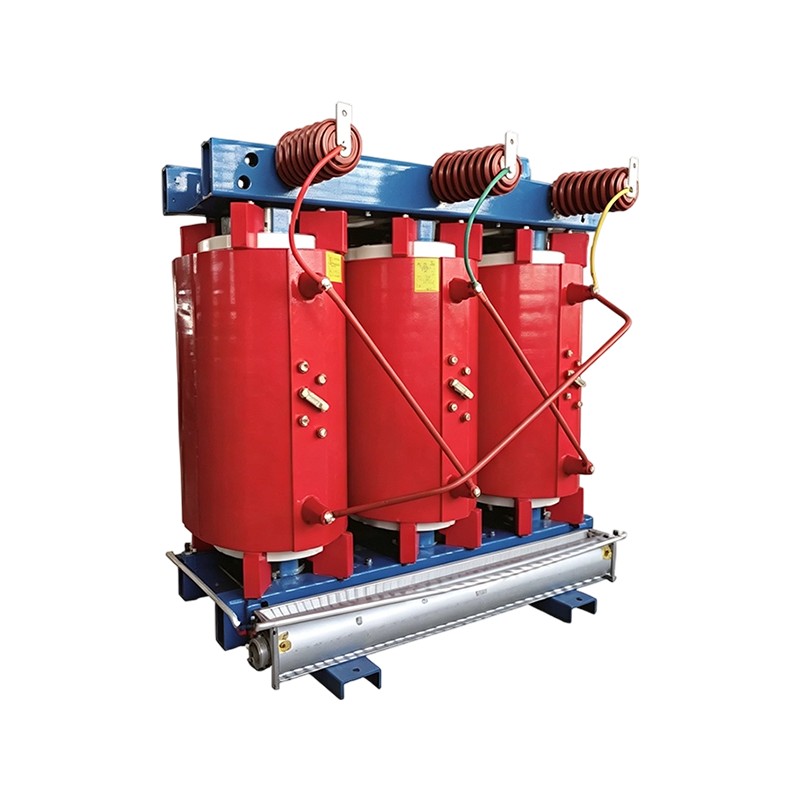
The SCB10/12/14/18 series energy-efficient dry-type cast resin transformer is a new-generation product developed on the basis of the SCB11, designed for reduced energy consumption, material savings, a...
View More -
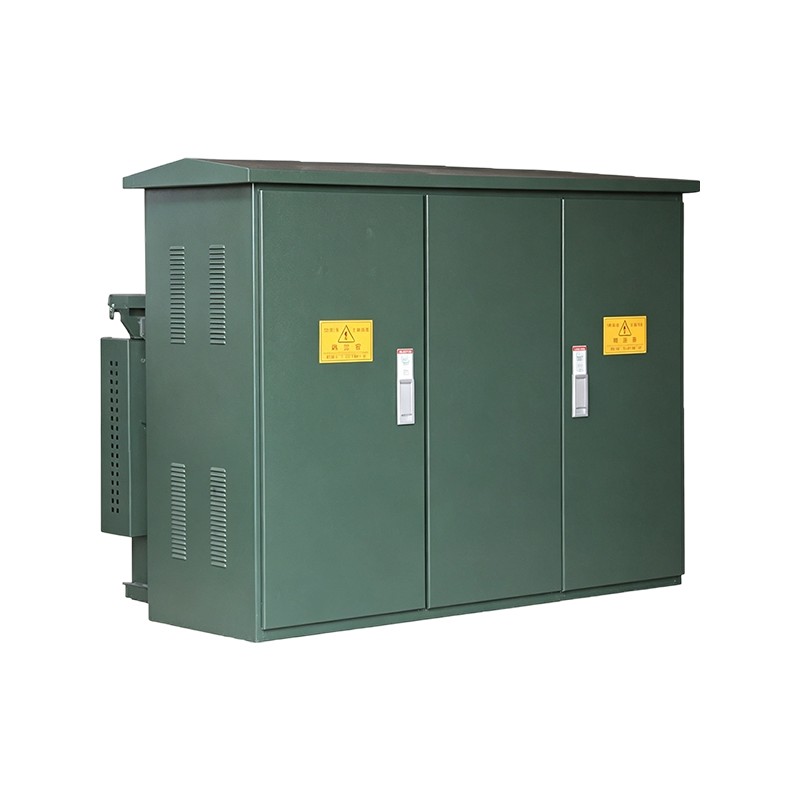
Product Overview:The ZGS series American-style pad-mounted transformer is developed by adapting the American-style combined substation concept to domestic application requirements. It features a compa...
View More -
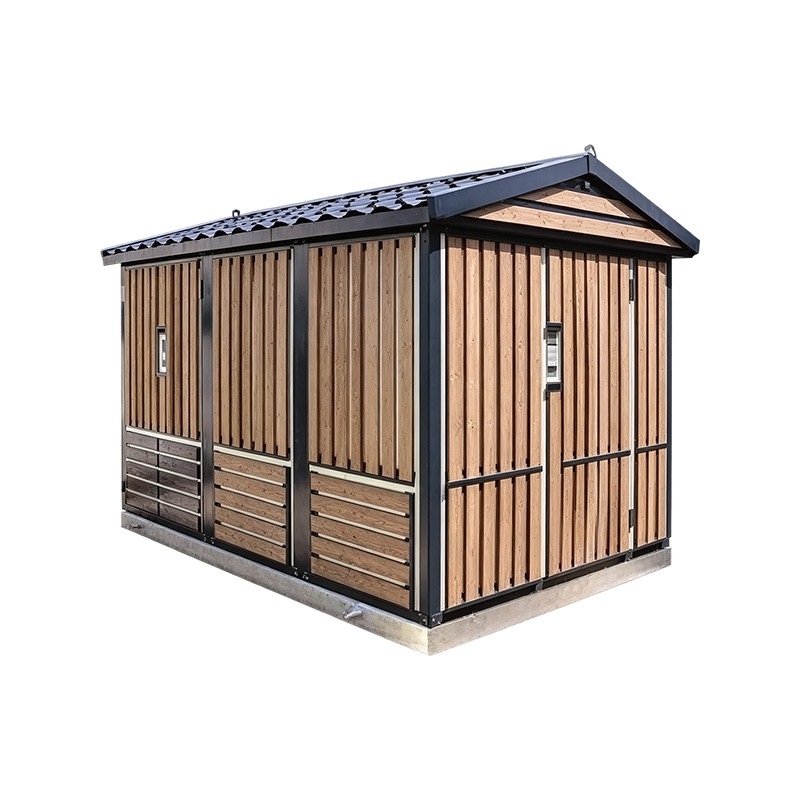
Product Overview:The YBW intelligent European-style prefabricated substation integrates high-voltage switchgear, instrument transformers, the power transformer, low-voltage switchgear, reactive power ...
View More -
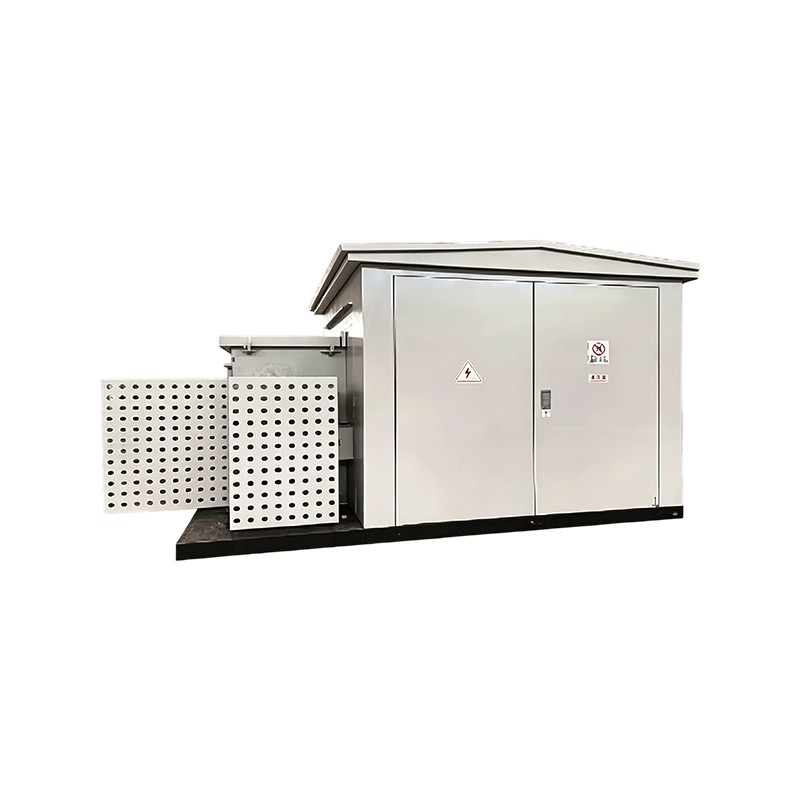
Product Overview:The YB series prefabricated step-up substation is developed to meet the power requirements of wind power generation and photovoltaic power generation, serving primarily as the first-s...
View More -
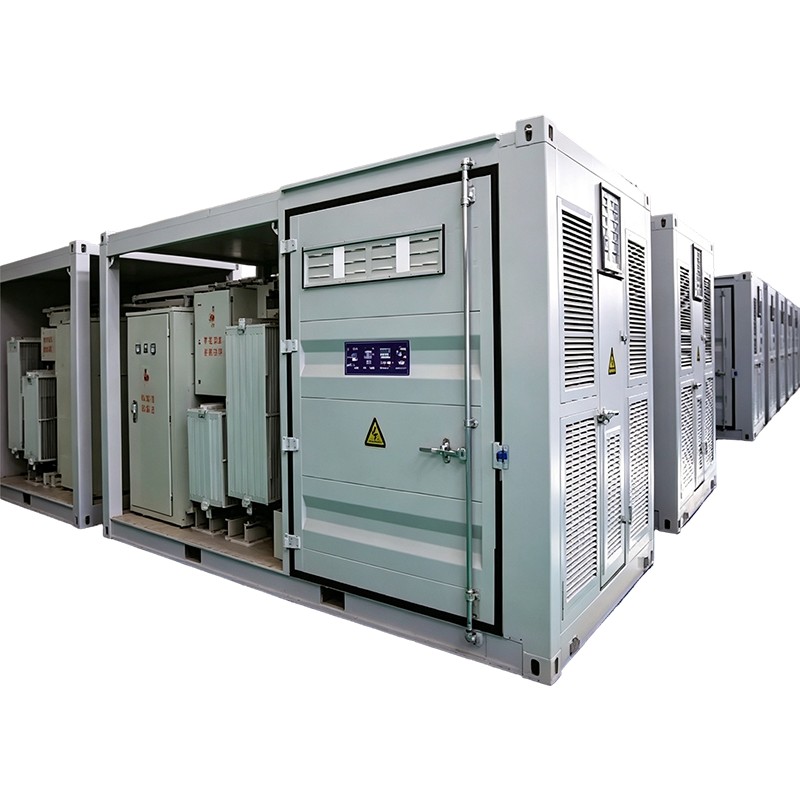
Product Overview:The YBW series prefabricated substation is developed to serve the operational requirements of wind power generation, photovoltaic power generation, shale gas extraction, and energy st...
View More -
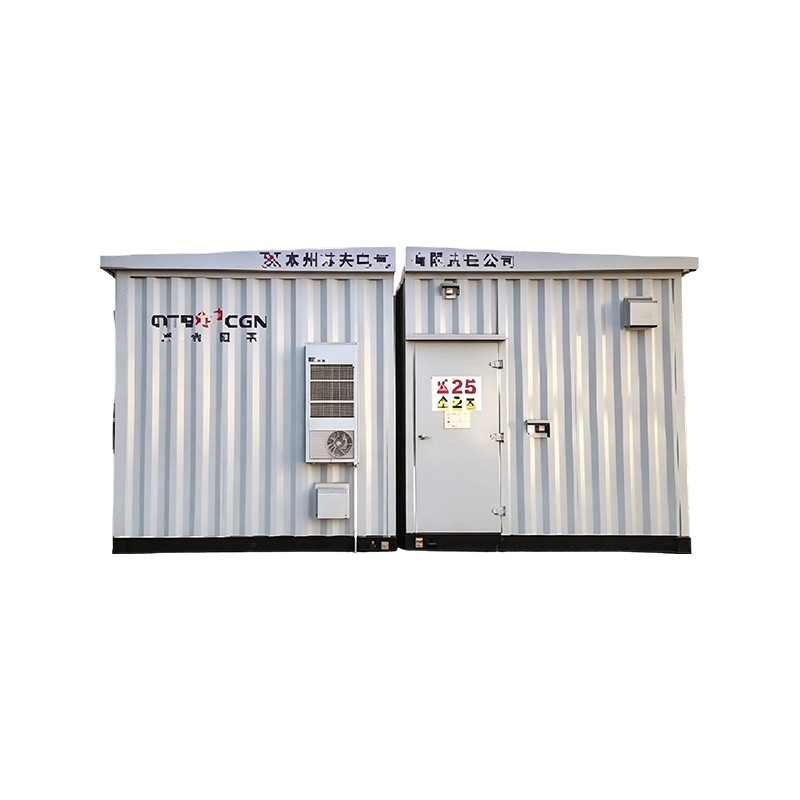
Product Overview:The YBW series centralized prefabricated container substation is developed to serve the operational requirements of wind power generation, photovoltaic power generation, and energy st...
View More -
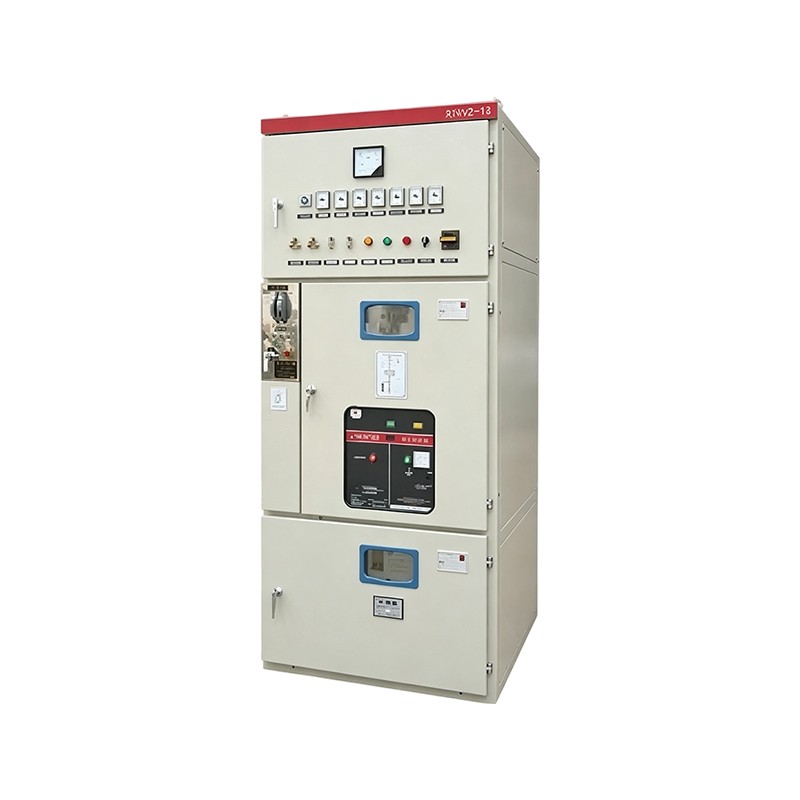
Product Overview:The XGN2-12 box-type fixed metal-enclosed switchgear is used in 3.6-12kV three-phase AC 50Hz indoor systems for power reception and distribution, and is particularly suited to frequen...
View More -
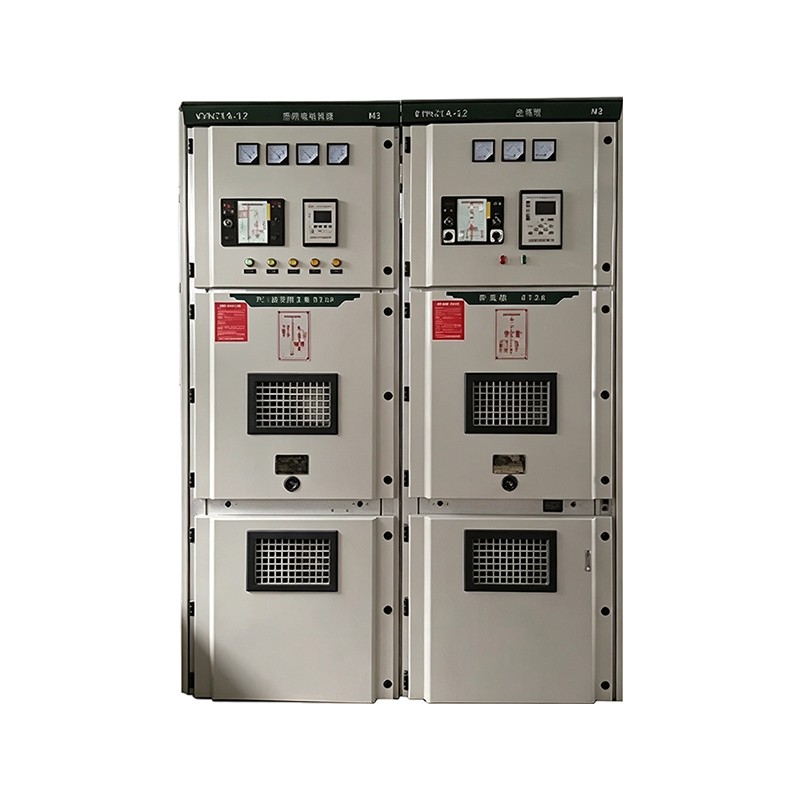
KYN28-12 Product Overview:The KYN28-12 armored withdrawable AC metal-enclosed switchgear is a three-phase AC 50Hz indoor switchgear assembly for receiving and distributing 3.6-12kV network power, with...
View More -
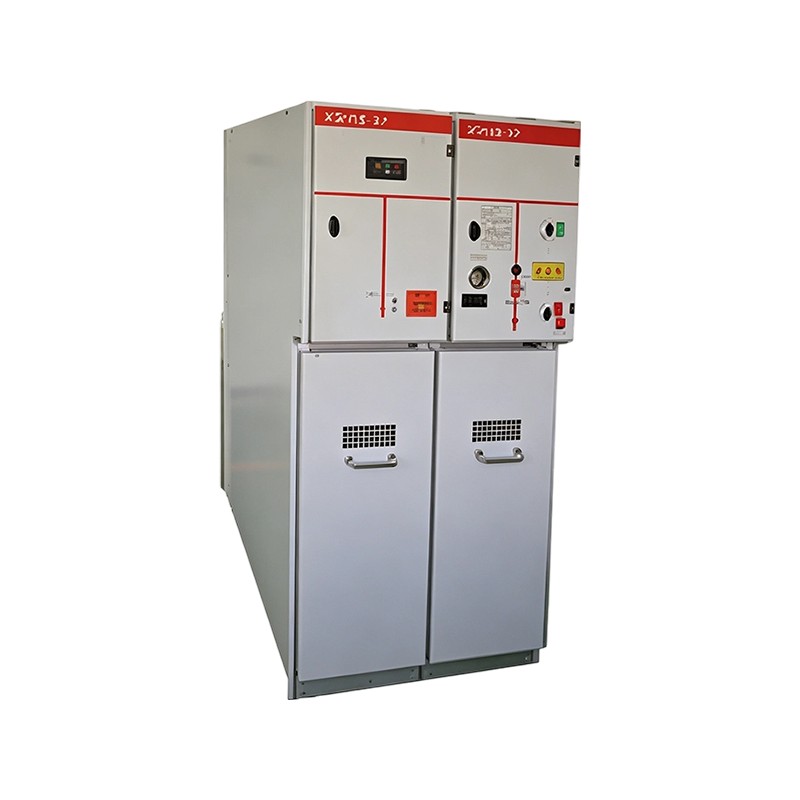
The XGN15-12 high voltage ring main unit (RMU) is a three-phase AC indoor box-type metal-enclosed switchgear with a rated voltage of 10kV and rated frequency of 50Hz. It is suitable for power distribu...
View More
NEWS & MEDIA
View More
-
 2026.05.14
 Company News
-
2026.05.14
Company News
-
2026.05.14
Company News
-
2026.05.14
Company News
-
2026.05.14
Company News

-
No. 108-2, Zhongguancun Avenue, Kunlun Sub-district, Liyang City, Changzhou City, China

-
+86 -13961488818

-
+86-0519-88328818

-
wendy@czhixon.com

jemy@czhixon.com
- About Us
- Company Overview
- Factory
- FAQ
- News
- Quick Links
- Home
- Lube Oil / Tyre
- Cable / Transformer
- About
- Service
- Contact
- QR Code
- Don't hesitate to contact when you need us!
© Copyright
Hixon (Changzhou) Science and Technology Innovation Investment Co., Ltd.
All Rights Reserved.

